↗PeopleAbenakiSouthern Québec; homelands also extend into the United States · Odanak and Wôlinak are Abenaki communities in Québec.↗
↗Indigenous-led resource · TextAhtahkakoop Cree Nation: historyAhtahkakoop Cree Nation · The Nation presents its account of Cree governance, Chief Ahtahkakoop, Treaty 6 negotiations, reserve selection and farming. Read it beside the Treaty transcript to distinguish a Nation's account of the relationship from the Crown-language document.↗
↗Primary document · Document / PDFAhtahkakoop Cree Nation: strategic plan, 2022Ahtahkakoop Cree Nation · This Nation-published strategic plan records a 2022 planning process and six priority areas, including governance, education, culture and health. It names goals concerning Elders, language and community relationships.↗
↗PeopleAlgonquin / AnishinabegWestern Québec and eastern Ontario · Algonquin refers to a people; Algonquian is a larger language-family term.↗
↗Archival record · ArchiveAngus Gardiner: Northern Michif interview summaryGabriel Dumont Institute · English summation of a Northern Michif interview relating to Île-à-la-Crosse and Sandy Point.↗
↗Related peoplesAnishinaabe peoplesGreat Lakes and neighbouring regions of Canada and the United States · A broad family of related peoples, including Ojibwe, Odawa and Potawatomi.↗
↗PeopleAtikamekwUpper Saint-Maurice region, Québec · Manawan, Wemotaci and Opitciwan are Atikamekw communities.↗
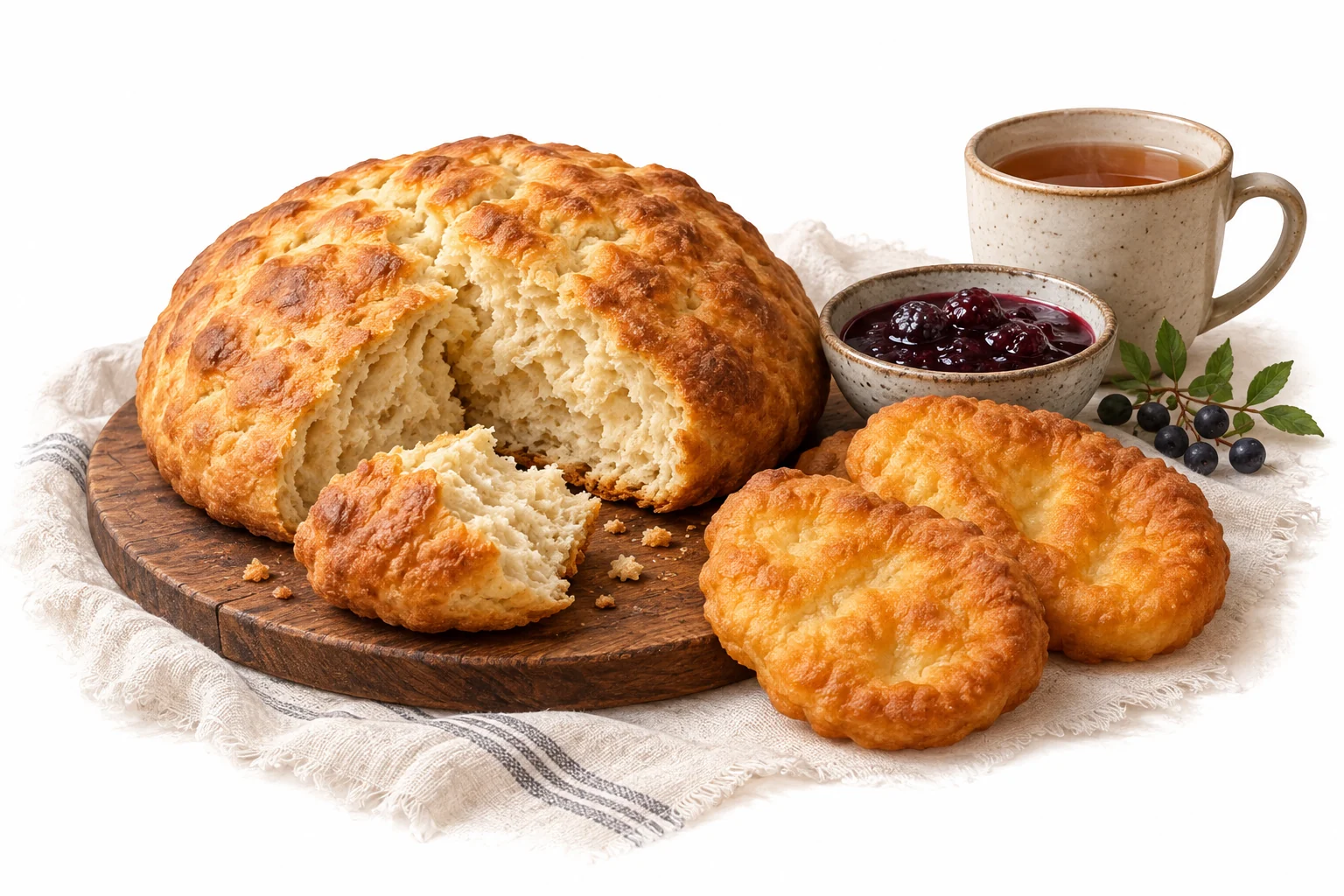
Illustrated storyBannock: A Living HistoryScroll through bannock’s histories, family connections and living First Nations, Métis and Inuit traditions.↗
↗Archival record · PhotographBatoche, Rectory (02)Gabriel Dumont Institute · Photograph catalogued as a sign for the Batoche rectory.↗
↗Archival record · MapBatoche battlefield sketch map, 1885Wikimedia Commons; original holding Library and Archives Canada · Batoche battlefield sketch map, 1885, published in the 1886 Sessional Papers, plate VII.↗
↗Archival record · PhotographBatoche village, circa 1885Wikimedia Commons; original holding Bibliothèque et Archives nationales du Québec · Batoche village, circa 1885; photographer unidentified.↗
↗Primary document · TextBeardy's & Okemasis: Treaty annuities compensation decision, 2016Specific Claims Tribunal Canada; Tribunal Lexum publishing platform · The Tribunal's reasons address compensation for withheld Treaty 6 annuities after the 1885 Resistance. They distinguish the earlier finding of a valid claim from the later assessment of compensation and describe the evidence and parties' positions.↗
↗Original resourceBefore you teachA preparation guide for teachers using First Nations, Métis and Inuit resources: named sources, place, permissions and Saskatchewan curriculum.↗
↗Archival record · PhotographBig Bear Fort Pitt 1884Our Legacy; University of Saskatchewan Archives · Photomechanical copy catalogued as Big Bear and another unidentified man at Fort Pitt, with other people in the background.↗
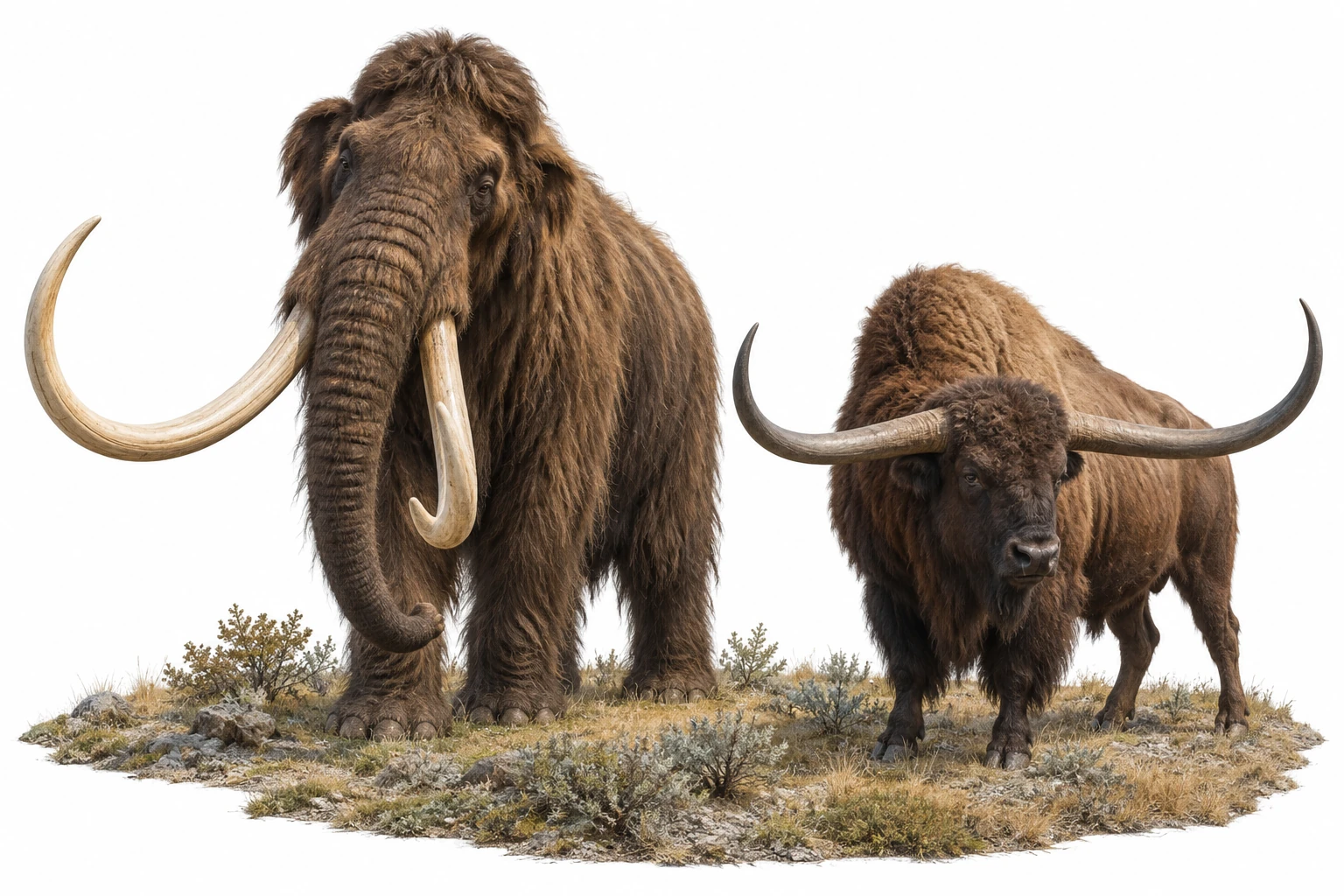
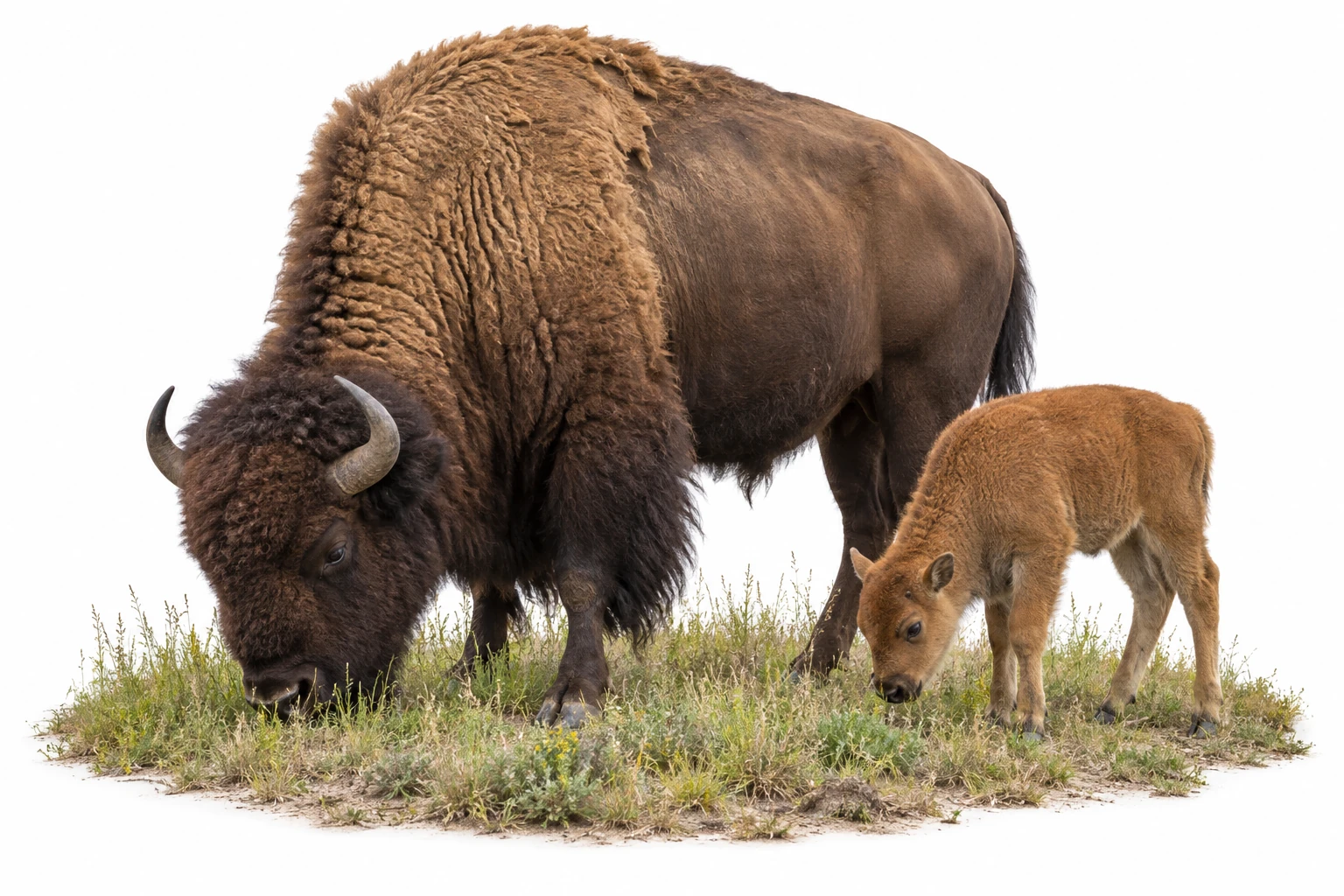
Illustrated storyBison and the grasslandsDiscover how bison, grasses, water and people are connected, and why returning bison matters in Saskatchewan.↗
↗ConfederacyBlackfoot ConfederacySouthern Alberta and Montana · The Confederacy includes Siksika, Kainai, Piikani and Aamskapi Pikuni. The last is based in the United States.↗
↗Archival record · VideoBrenda Macdougall: history of Île-à-la-CrosseGabriel Dumont Institute · Interview about historical research on families, church/school history, language and place names.↗
↗Primary document · Document / PDFCanada's Residential Schools: ReconciliationTruth and Reconciliation Commission of Canada; National Centre for Truth and Reconciliation · The Commission's final volume sets out its account of reconciliation and the changes it recommends. It supports inquiry into the relationship between historical truth, public institutions, education and responsibilities for action.↗
↗Historical context · Document / PDFCanada's Residential Schools: The History, Part 1 — Origins to 1939Truth and Reconciliation Commission of Canada; National Centre for Truth and Reconciliation · This first historical volume traces the development of the residential school system to 1939 using government and church records, other research and Survivor evidence. Its source notes support deeper inquiry into specific institutions and policies.↗
 WolfWhaleEducation Platform