Resource library
Explore a topic, then find its readings, sources and learning activities together.
Southern Tutchone
Southwestern Yukon · A distinct people represented in the Yukon’s Indigenous language landscape.
All topics
95 topicsAbenaki
Southern Québec; homelands also extend into the United States · Odanak and Wôlinak are Abenaki communities in Québec.
1 resourceAlgonquin / Anishinabeg
Western Québec and eastern Ontario · Algonquin refers to a people; Algonquian is a larger language-family term.
1 resource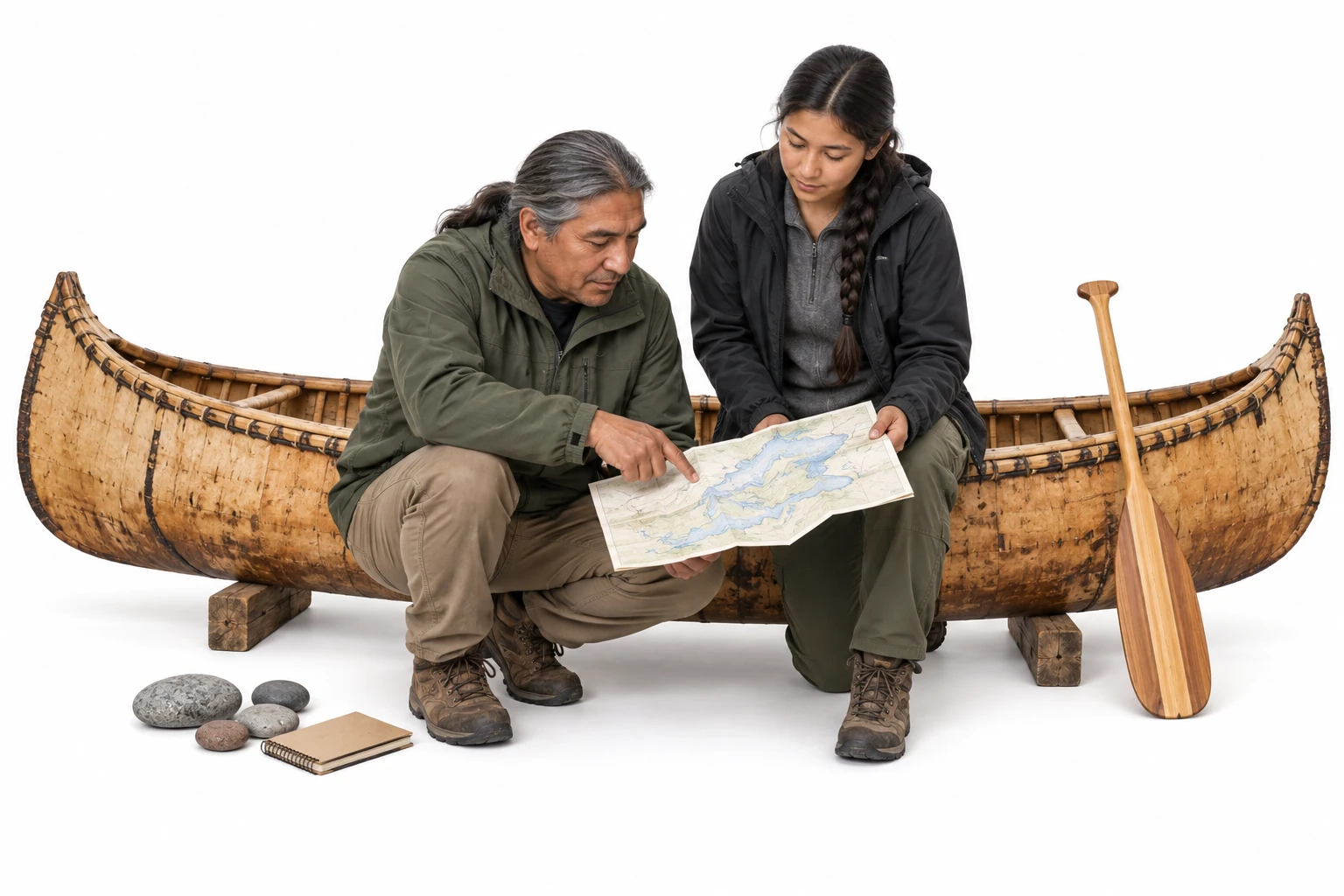
Anishinaabe peoples
Great Lakes and neighbouring regions of Canada and the United States · A broad family of related peoples, including Ojibwe, Odawa and Potawatomi.
2 related resources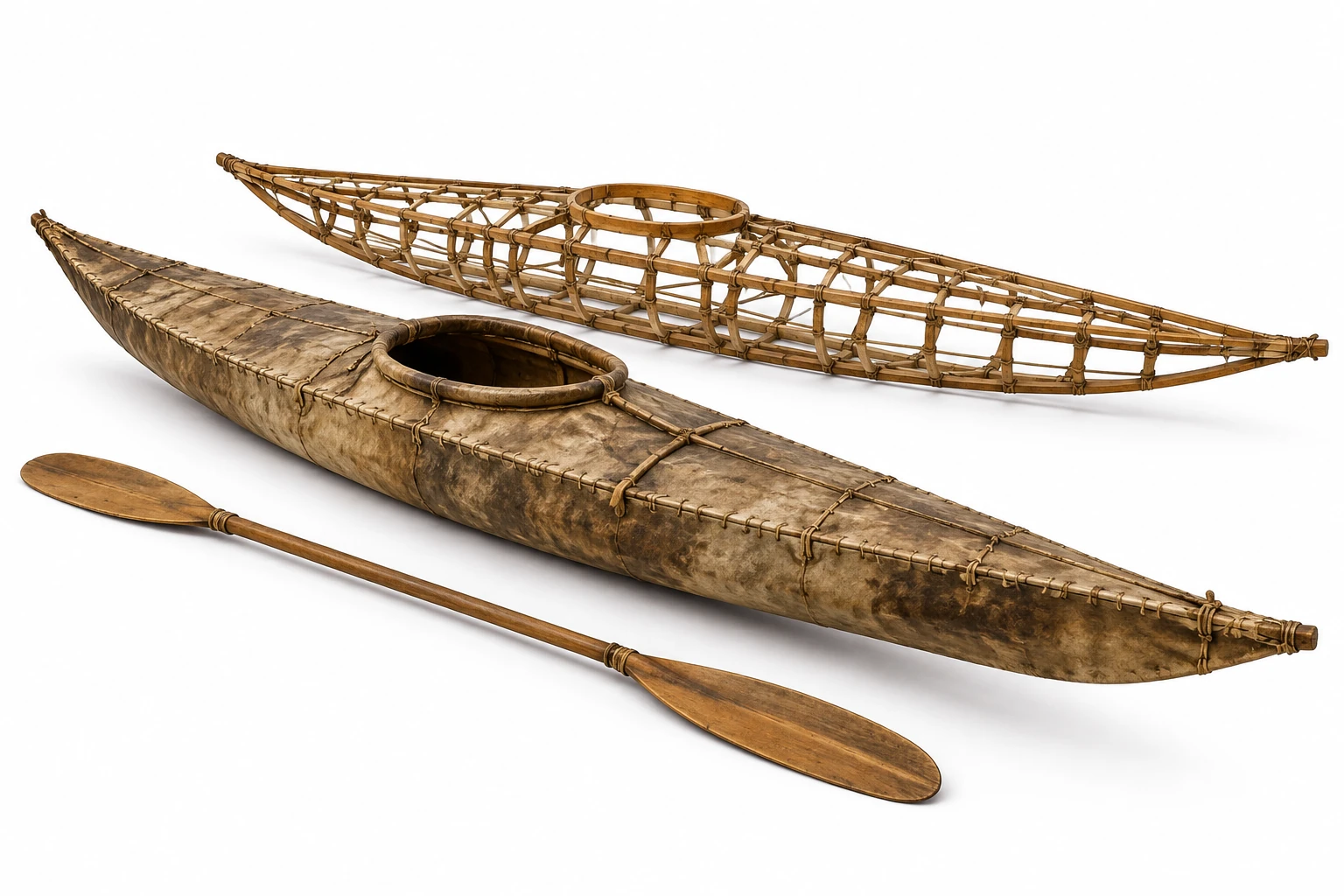
Arctic histories & Inuit ancestors
Many generations of movement and adaptation
1 resourceAtikamekw
Upper Saint-Maurice region, Québec · Manawan, Wemotaci and Opitciwan are Atikamekw communities.
1 resource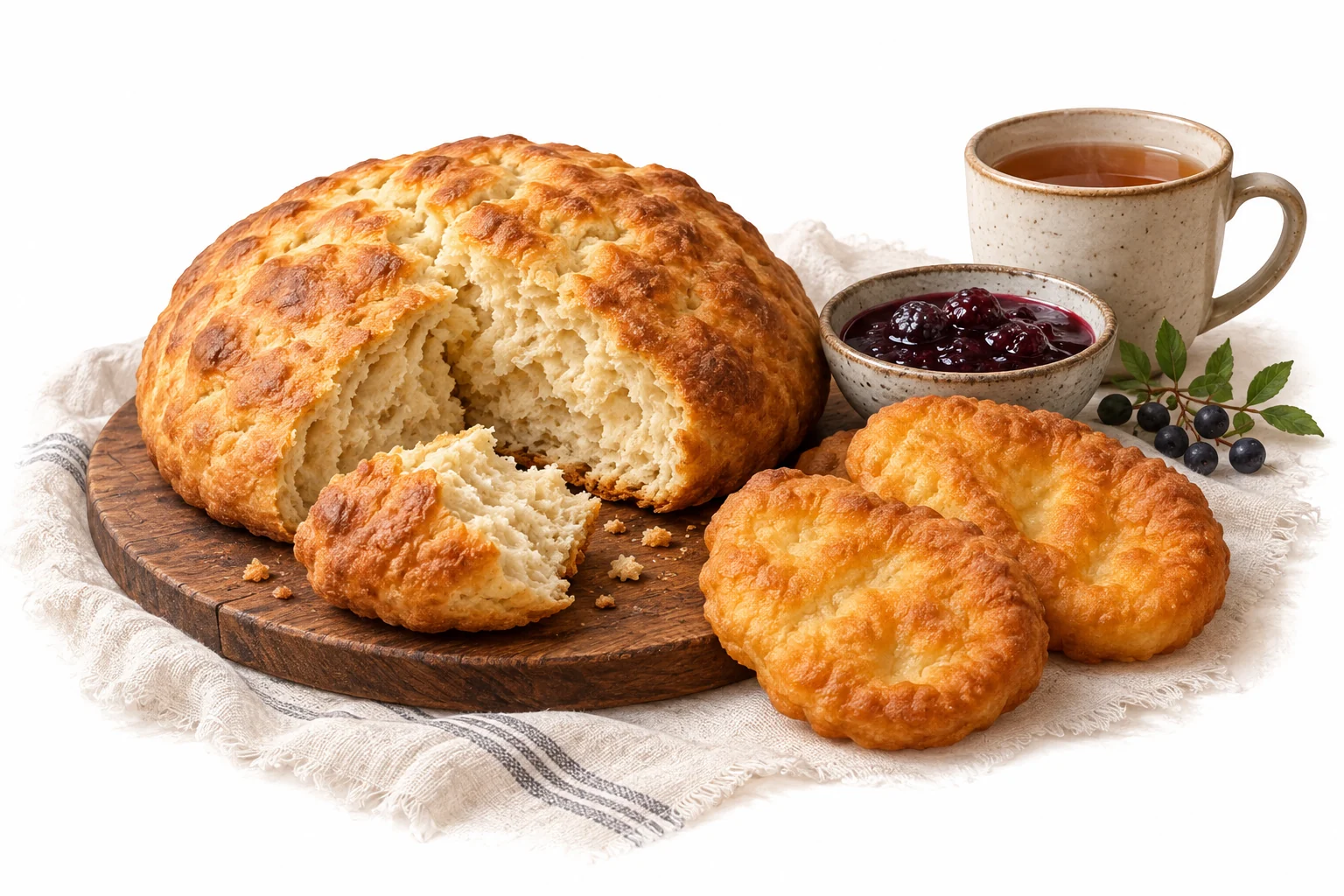
Bannock: A Living History
Scroll through bannock’s histories, family connections and living First Nations, Métis and Inuit traditions.
1 resource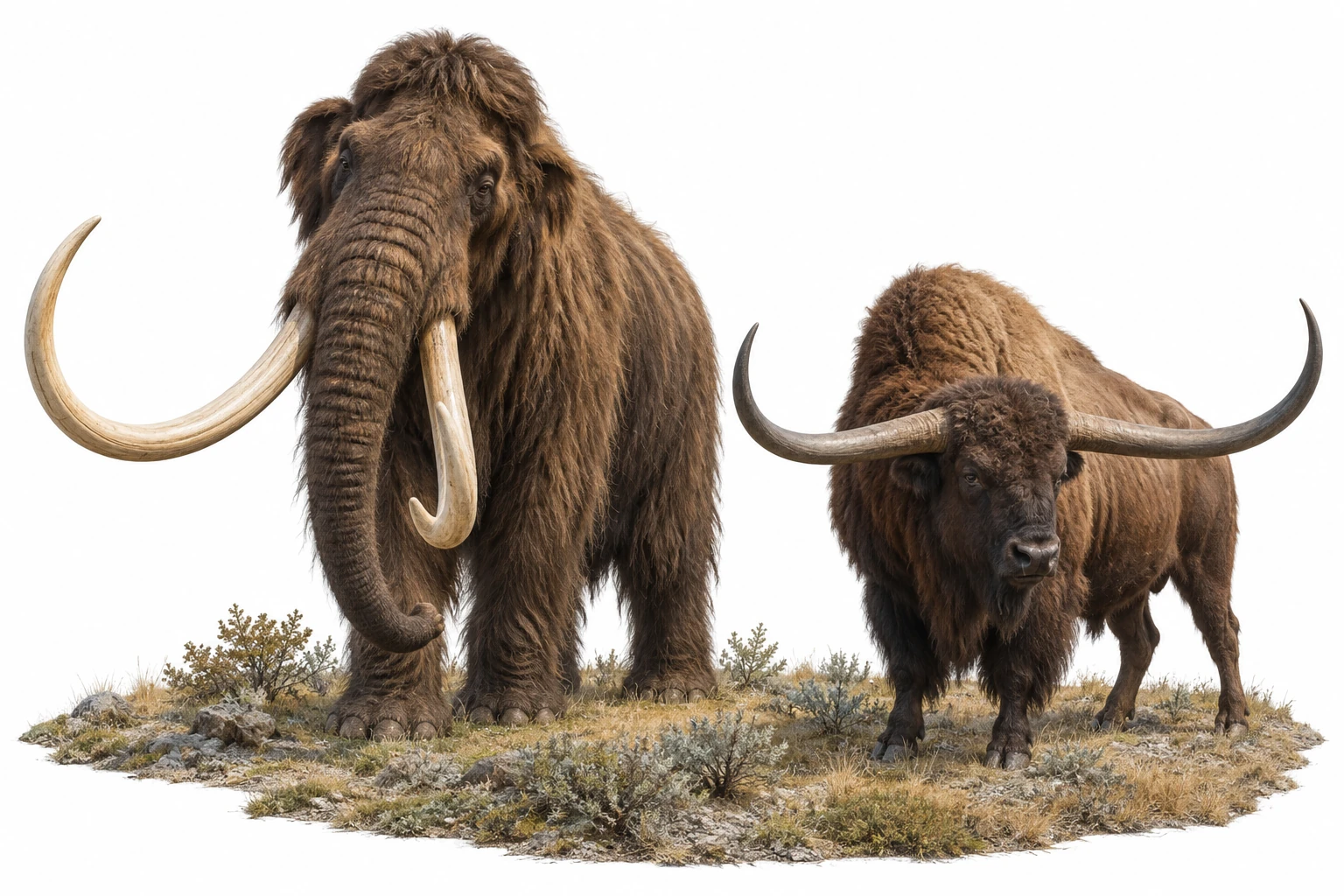
Beringia
An ancient landscape of land, ice and changing seas
1 resource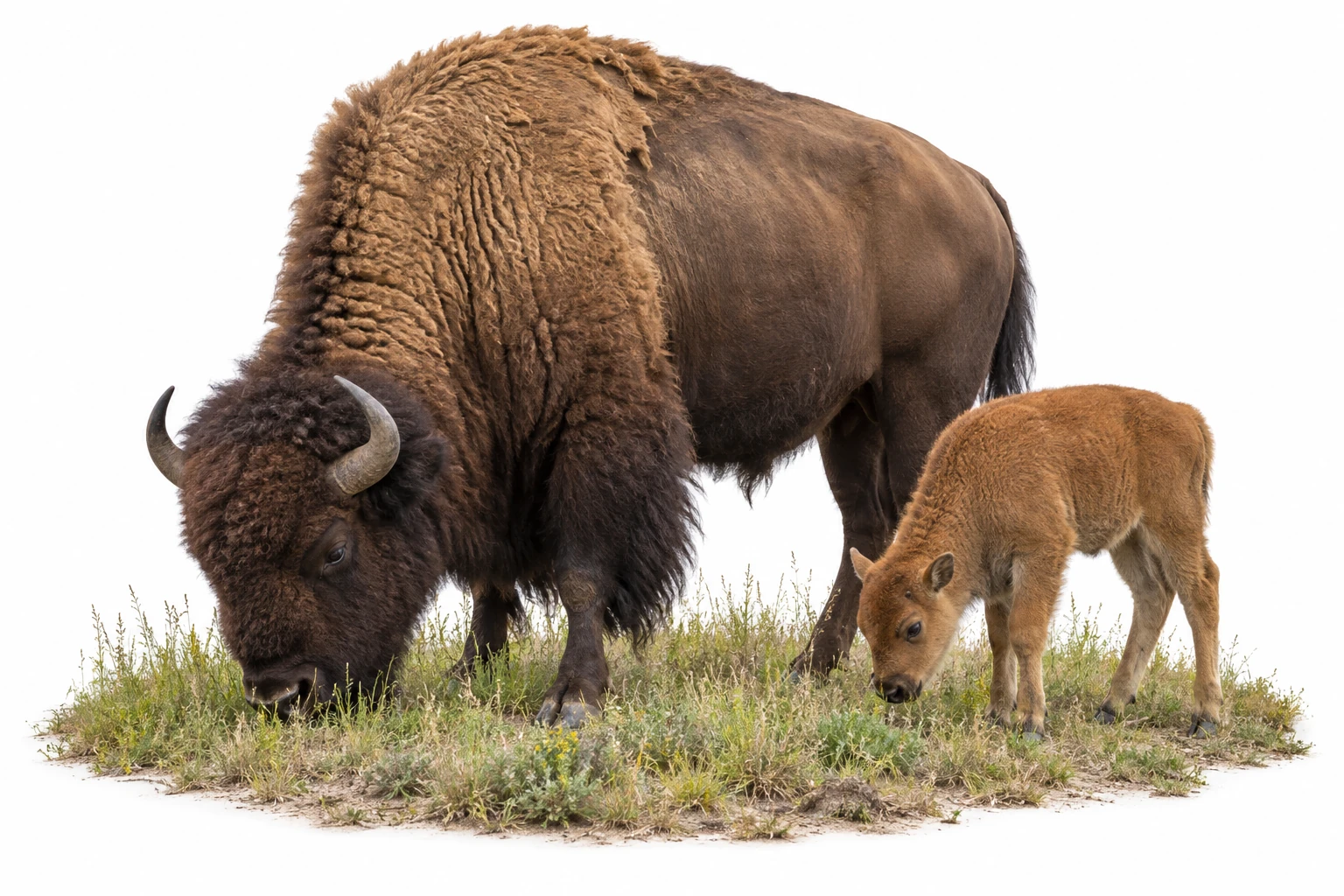
Bison & grasslands
Food, materials, relationships and restoration
2 related resourcesBlackfoot Confederacy
Southern Alberta and Montana · The Confederacy includes Siksika, Kainai, Piikani and Aamskapi Pikuni. The last is based in the United States.
1 resource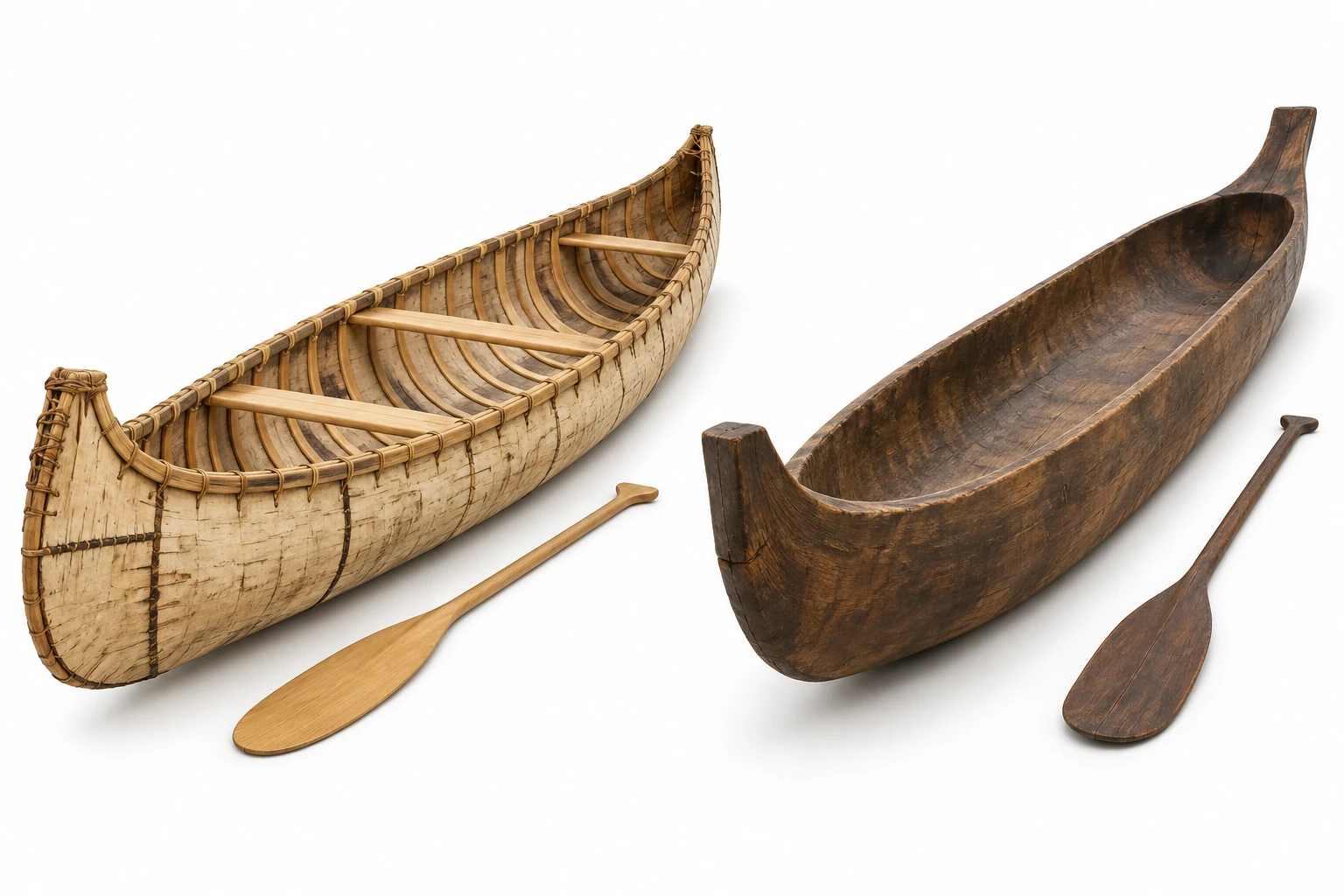
Canoe engineering
Different waters, materials and designs
1 resourceCayuga
Members live at Six Nations of the Grand River, Ontario, and elsewhere · A distinct Haudenosaunee Nation. This community location is not its full ancestral homeland.
1 resourceCoast Salish peoples
Salish Sea, lower Fraser and surrounding coastal lands · A broad grouping of related peoples and languages, including many distinct Nations.
1 resource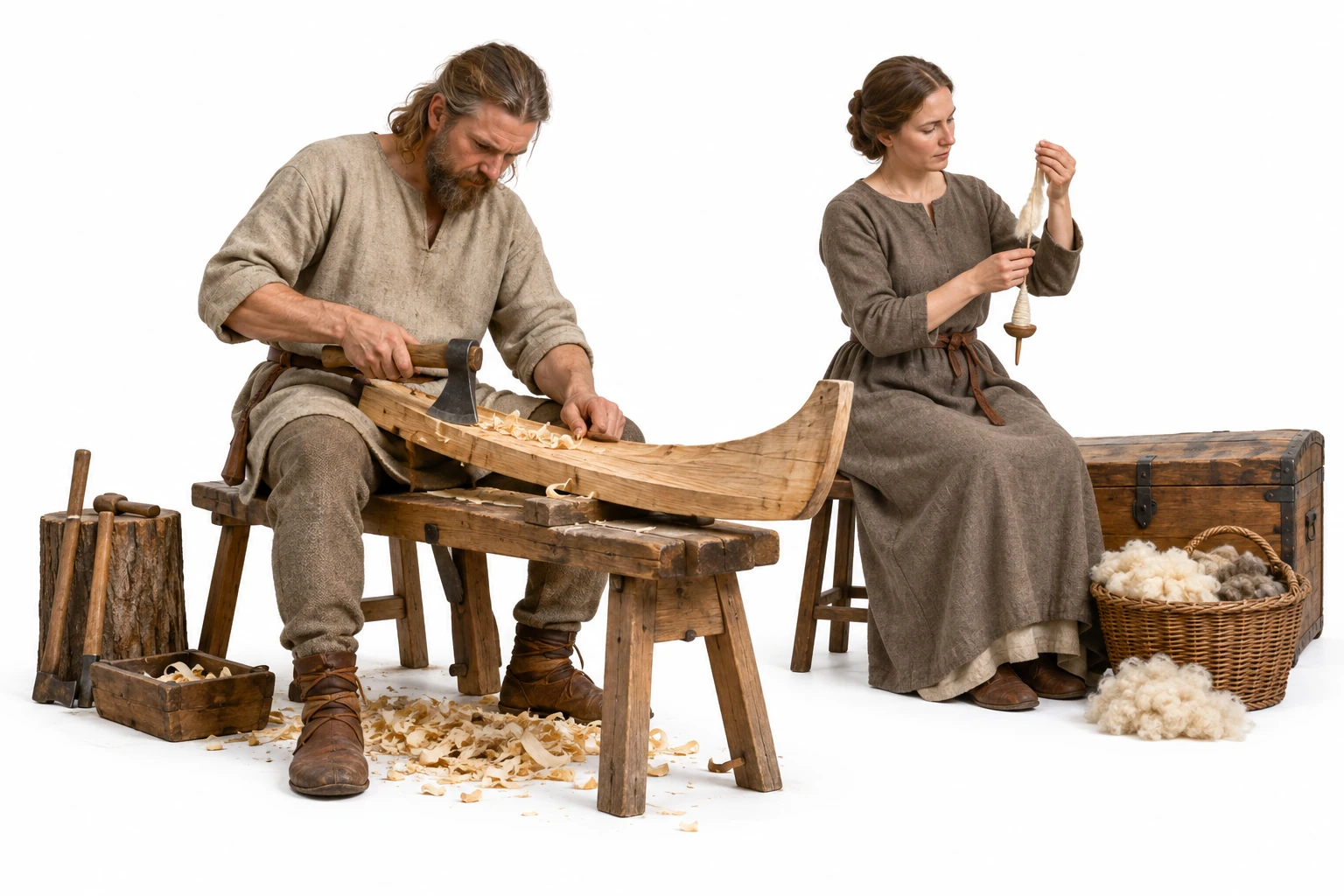
Contact was not one moment
Regional encounters in an already connected continent
1 resourceDakelh
Central interior of British Columbia · Dakelh territories include the lake country of the central interior.
1 resourceDakota
Saskatchewan and neighbouring regions · One of the distinct peoples whose languages and cultures are supported by SICC.
1 resource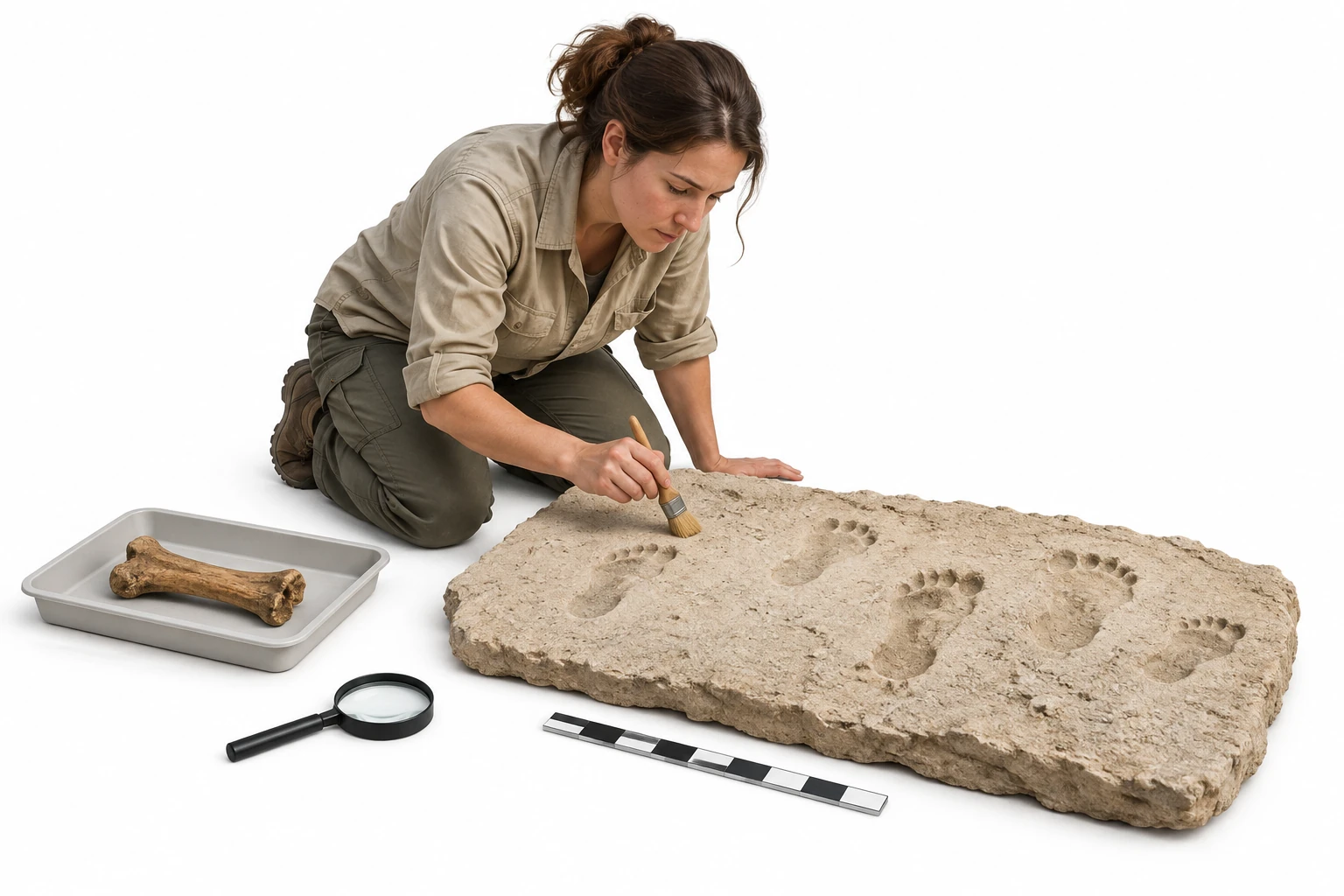
Deep-time evidence
Bluefish Caves and White Sands ask different questions
1 resource
Dënesųłiné
Northern Saskatchewan and the wider northern interior · Dënesųłiné communities are part of the diverse Dene peoples.
2 related resourcesGitxsan
Skeena, Kispiox and Kitwanga rivers, British Columbia · These river valleys connect Gitxsan communities.
1 resourceGwich’in
Northern Yukon and Northwest Territories; also Alaska · A distinct people represented in the Yukon’s Indigenous language landscape.
1 resource
Haida
Haida Gwaii, British Columbia · The islands of Haida Gwaii are central to Haida homelands.
2 related resources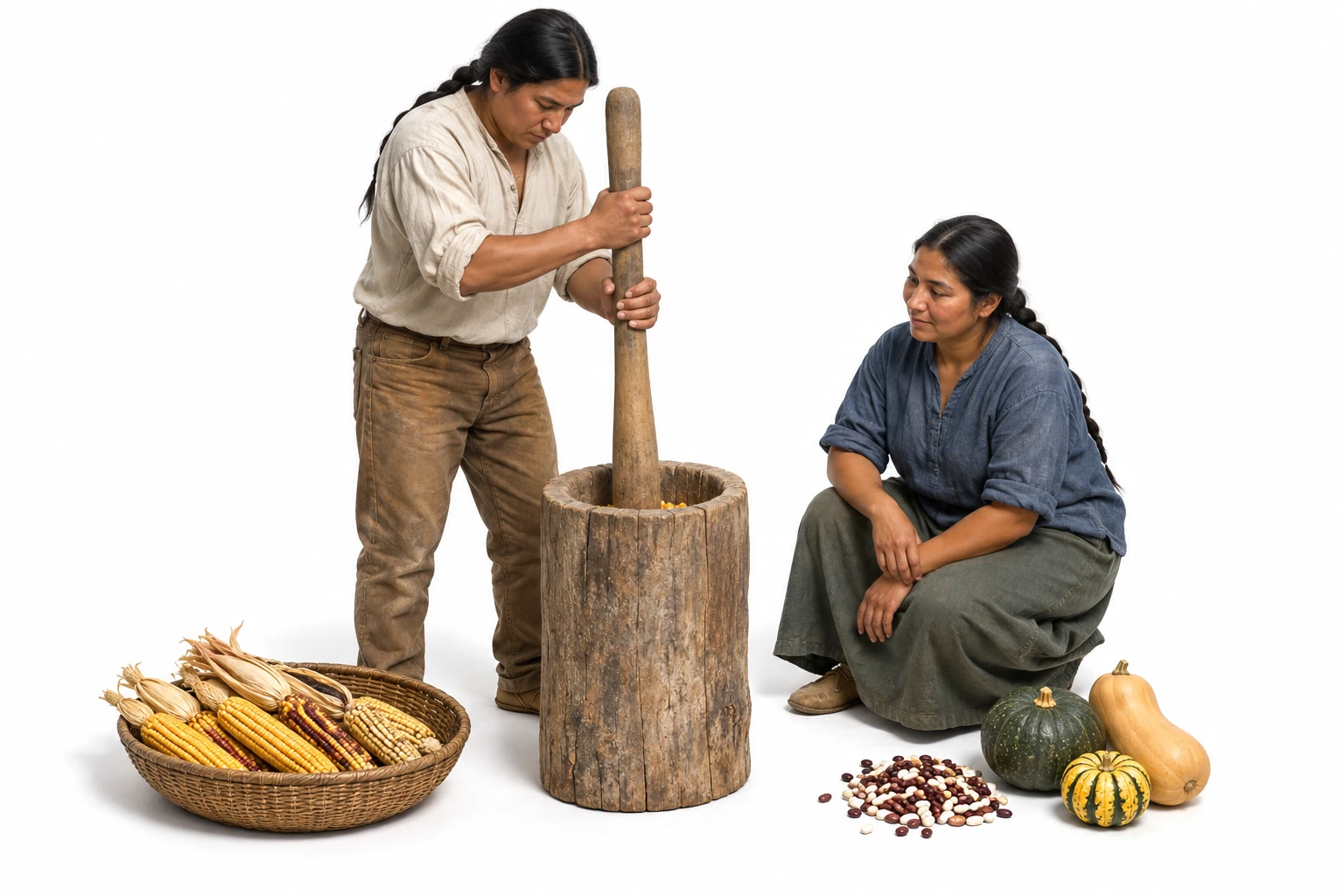
Haudenosaunee Confederacy
Great Lakes and St. Lawrence region; homelands cross the Canada–US border · Six distinct Nations are connected through this Confederacy.
2 related resources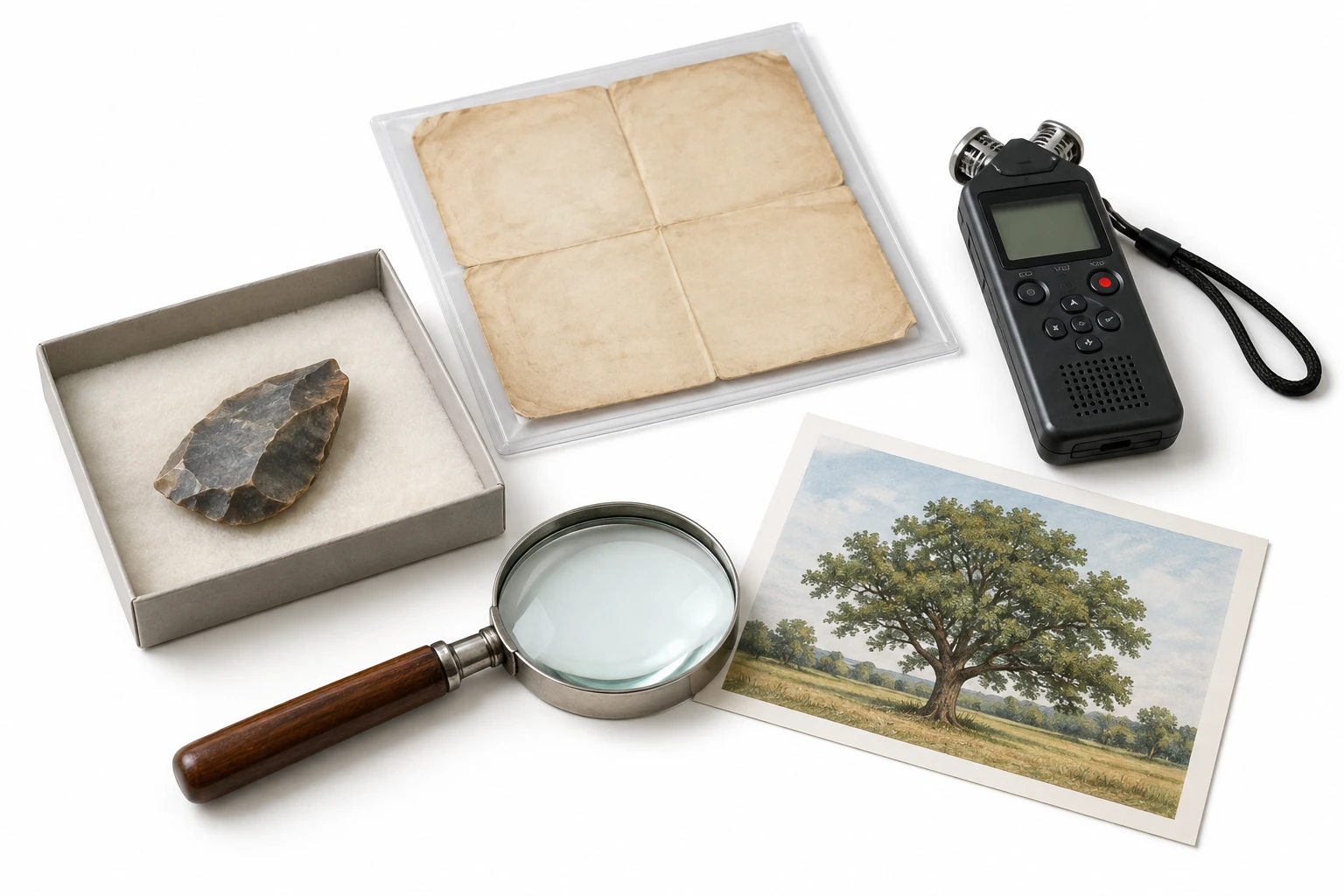
How do we know?
Read objects, oral histories, documents and images
1 resourceHän
Yukon River around Dawson; also Alaska · A distinct people represented in the Yukon’s Indigenous language landscape.
1 resource
Indigenous Atlas of Canada
Explore Canada-wide treaty areas, Inuit Nunangat, community locations and reserve lands, with historical chapters and sourced population charts.
1 resource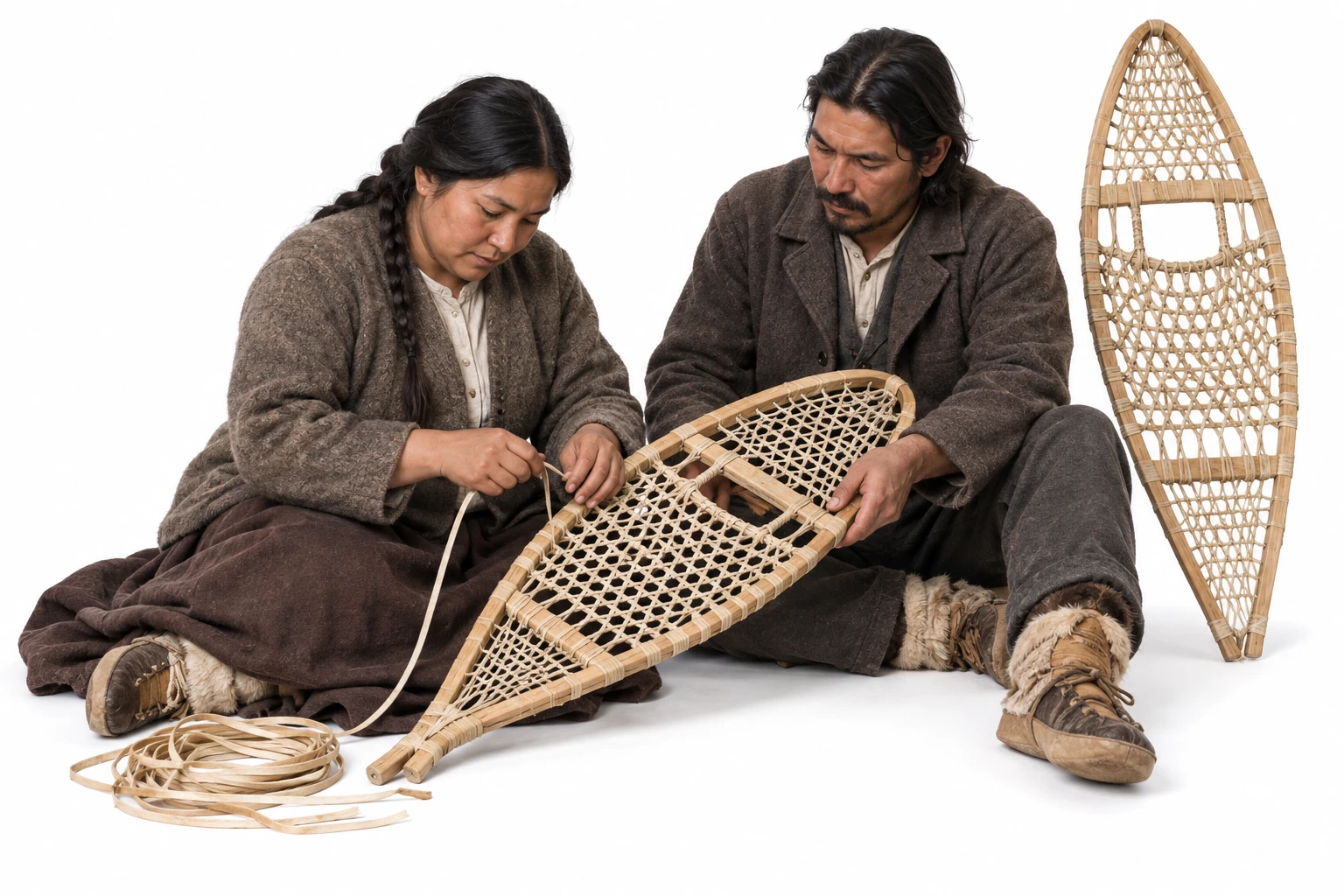
Innu
Québec and Labrador · Innu are distinct from Inuit, despite the similar-looking names.
2 related resources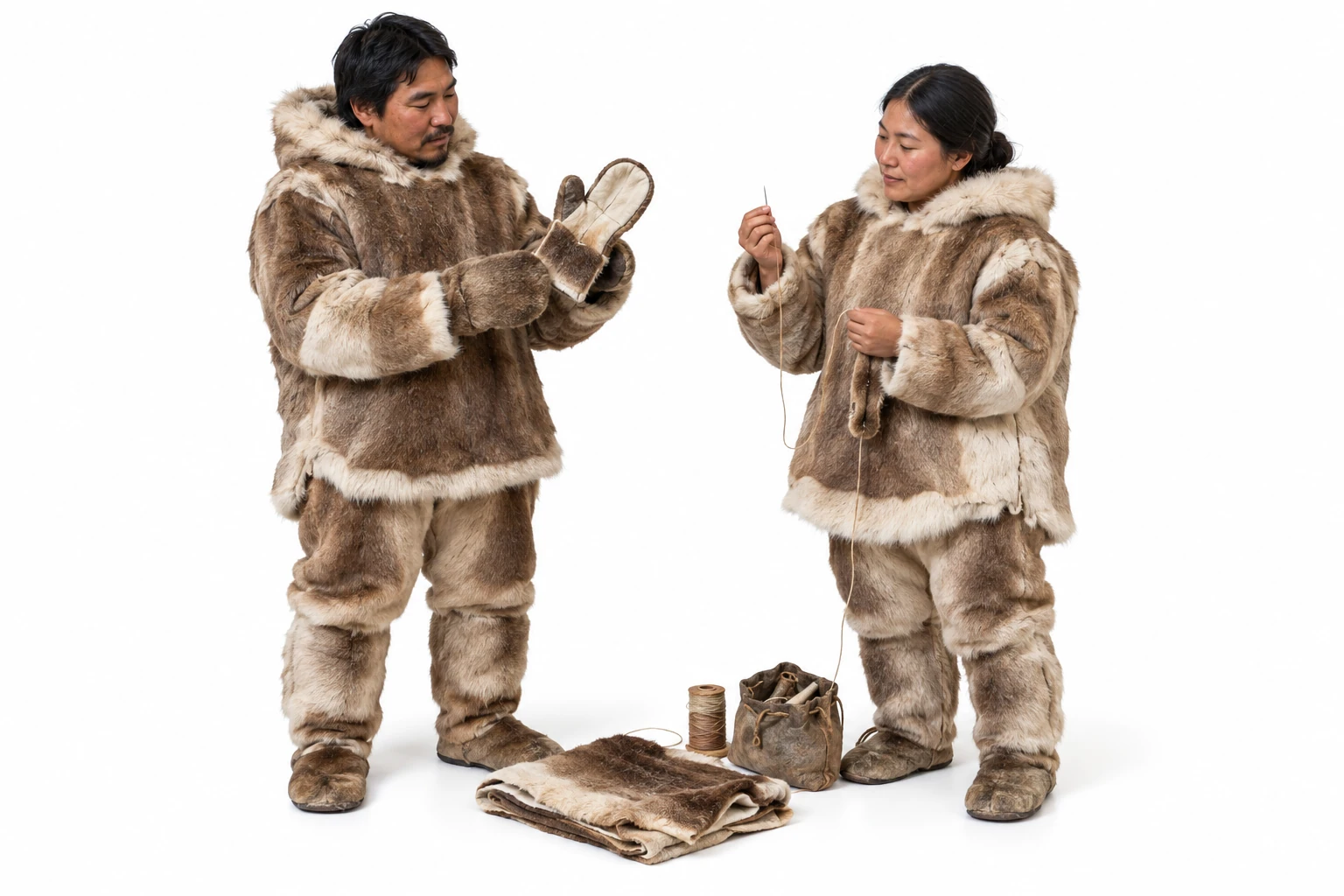
Inuit Nunangat
Inuit homeland in Canada: land, water and ice · The homeland includes four Inuit regions. Inuit also live in cities and communities outside Inuit Nunangat.
2 related resources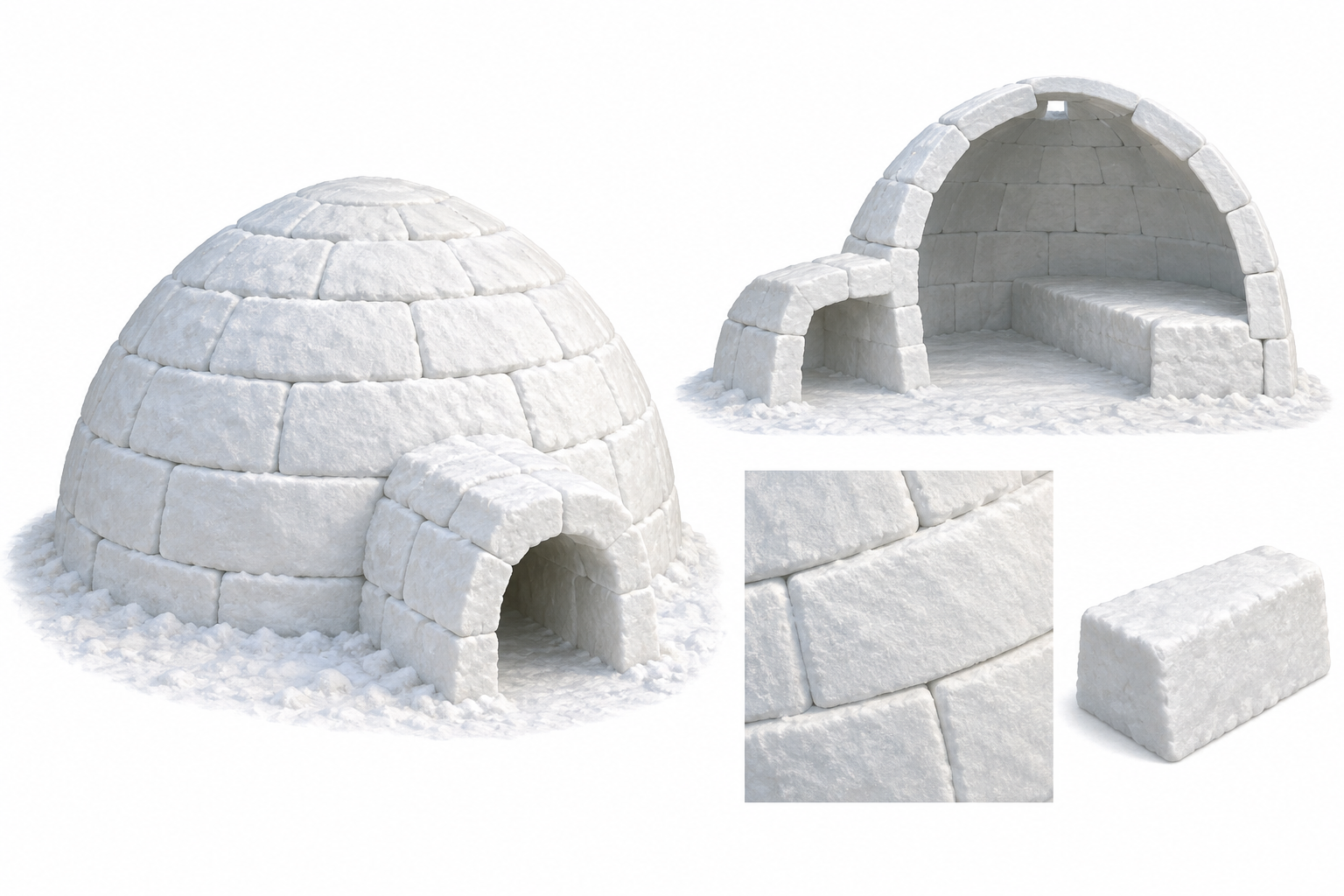
Inuit snow house
Snow blocks, geometry and insulation
1 resourceInuvialuit Settlement Region
Western Arctic, including northwestern Northwest Territories · The Inuit of this region are Inuvialuit.
1 resourceKainai
Southern Alberta · A distinct Nation within the Blackfoot Confederacy.
1 resourceKanien’kehá:ka / Mohawk
Members live at Six Nations of the Grand River, Ontario, and elsewhere · A distinct Haudenosaunee Nation. This community location is not its full ancestral homeland.
1 resourceKaska Dena
Northern British Columbia and southern Yukon · Kaska communities and homelands extend across the provincial–territorial boundary.
1 resourceKtunaxa
Southeastern British Columbia and neighbouring US states · Ktunaxa homelands cross modern borders. Their language is distinct from neighbouring languages.
1 resourceLakota
Saskatchewan and neighbouring regions · One of the distinct peoples whose languages and cultures are supported by SICC.
1 resource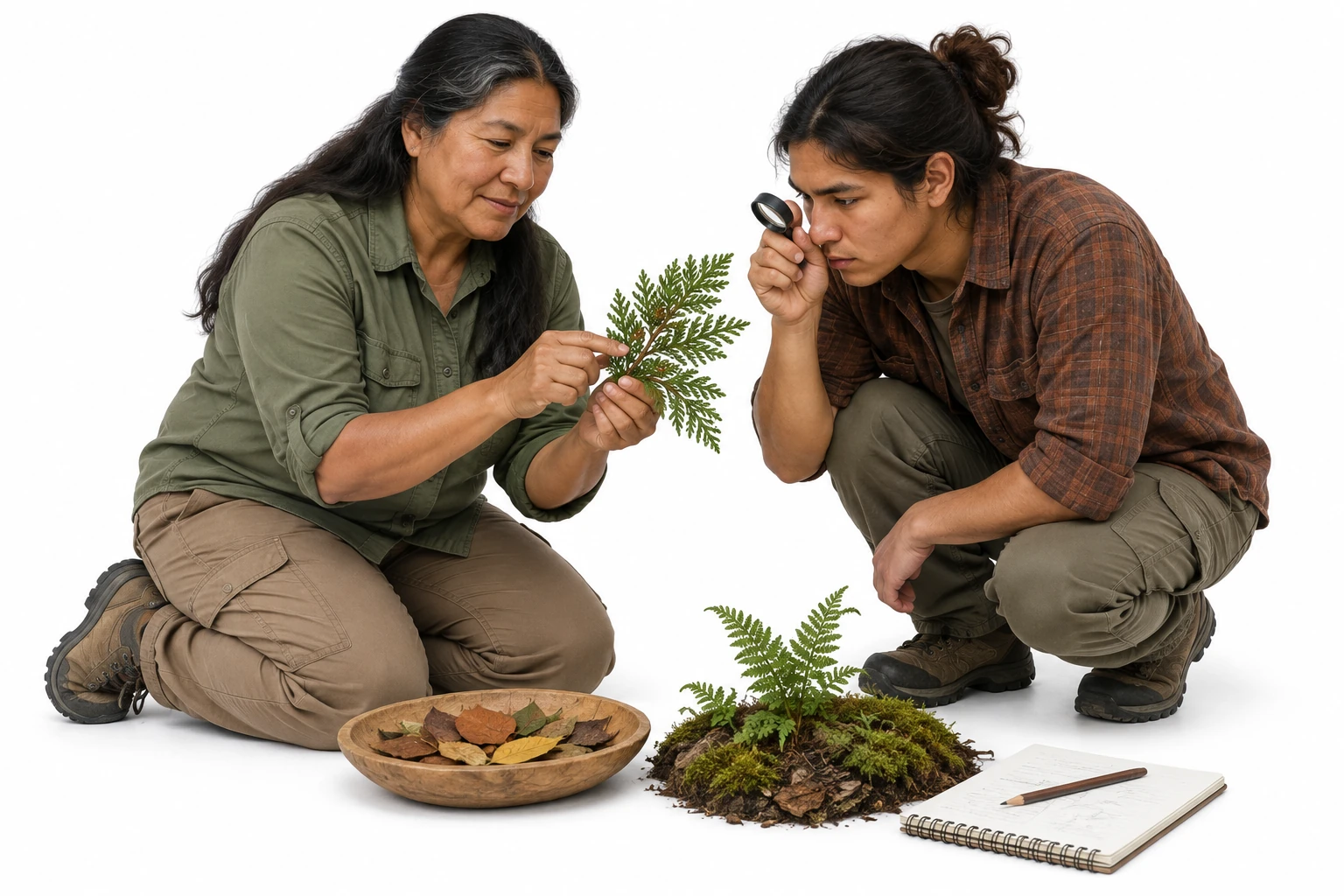
Learning through the seasons
Observe change, place and patterns
1 resourceLil’wat
Mount Currie and Pemberton area, British Columbia · Lil’wat is a distinct Nation within the wider St’át’imc people.
1 resource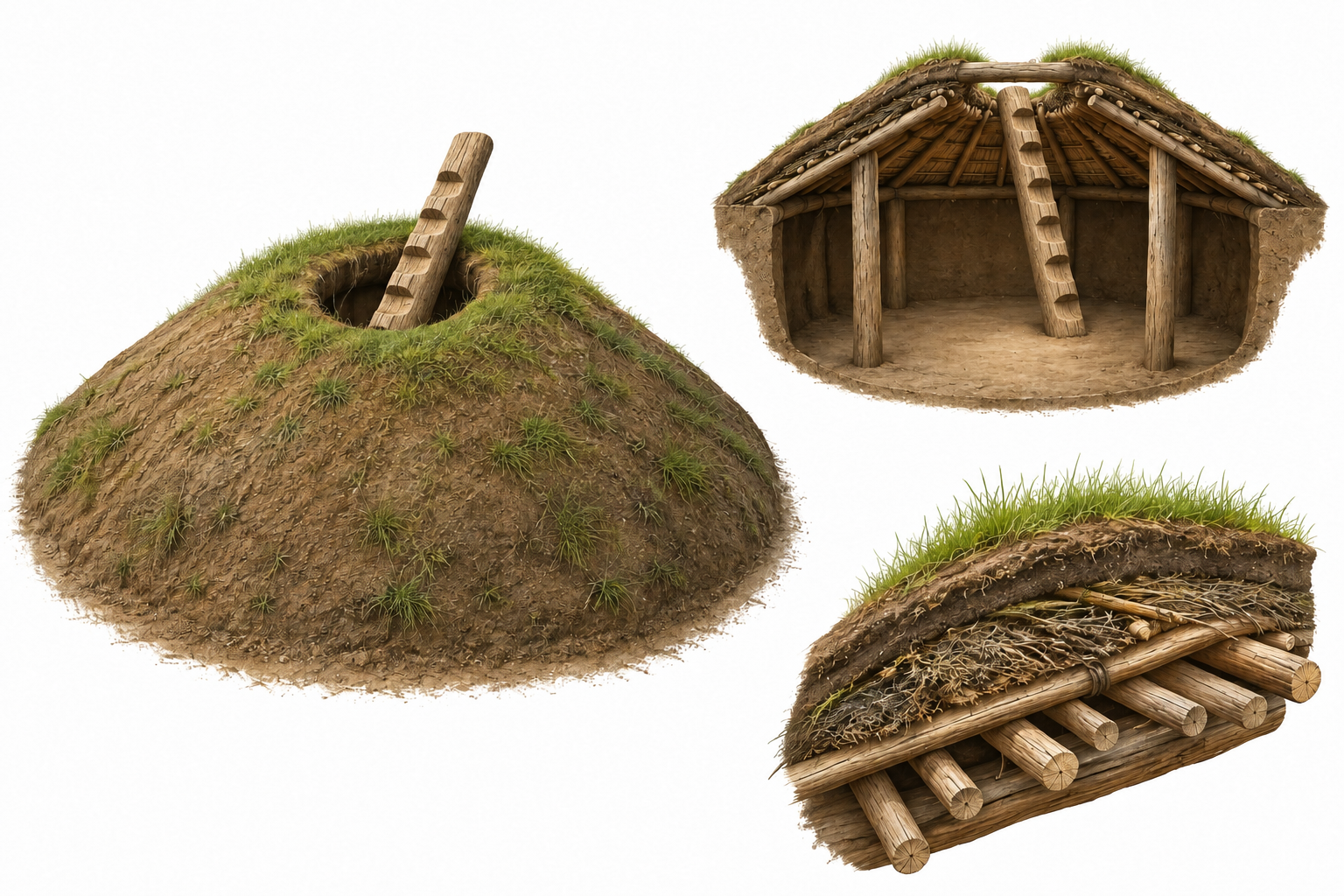
Lil’wat istken
A home built partly into the earth
1 resource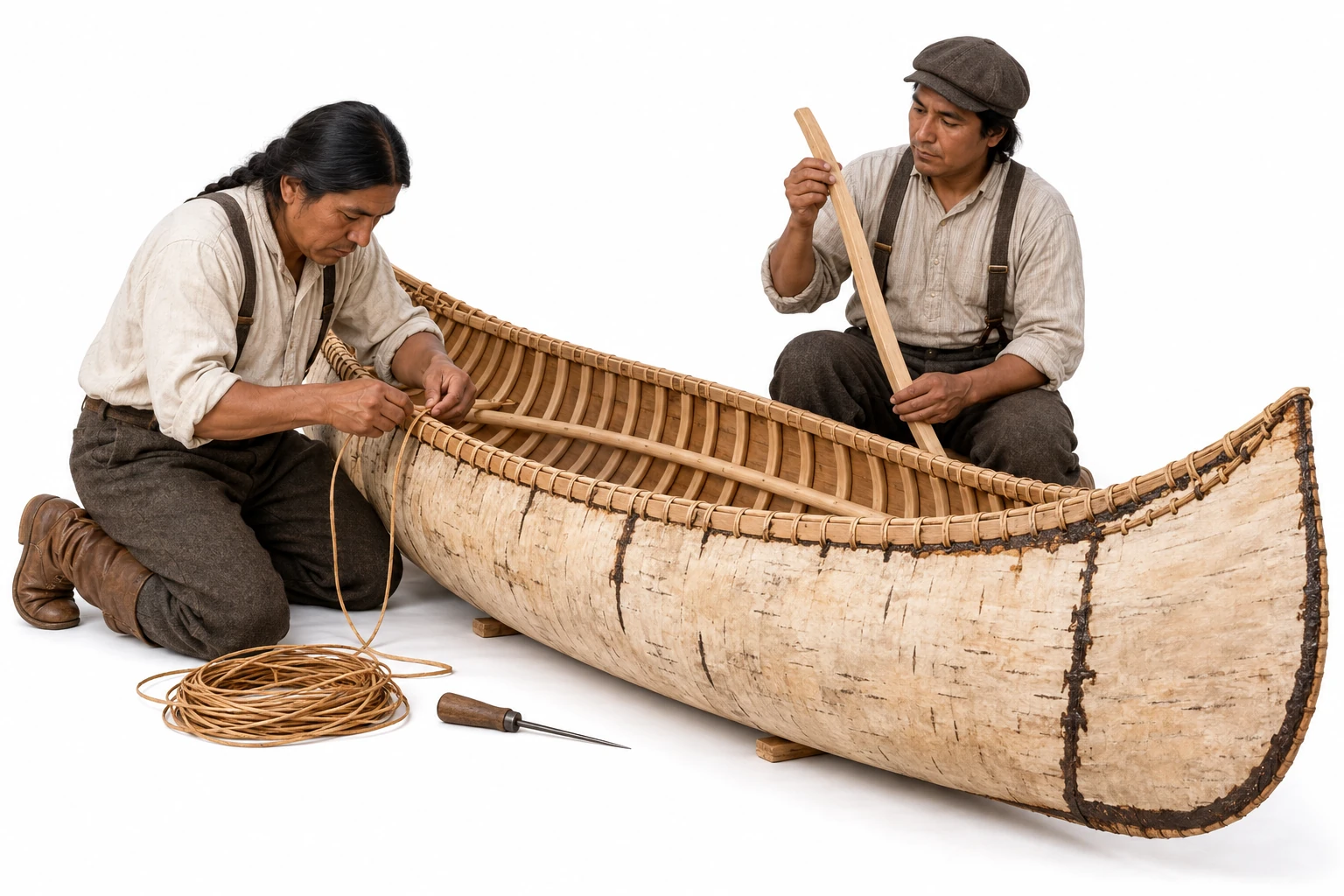
Mi’kmaq
Mi’kma’ki, across much of Atlantic Canada and Gaspé · Mi’kma’ki is the Mi’kmaw homeland, with its own districts and relationships.
2 related resources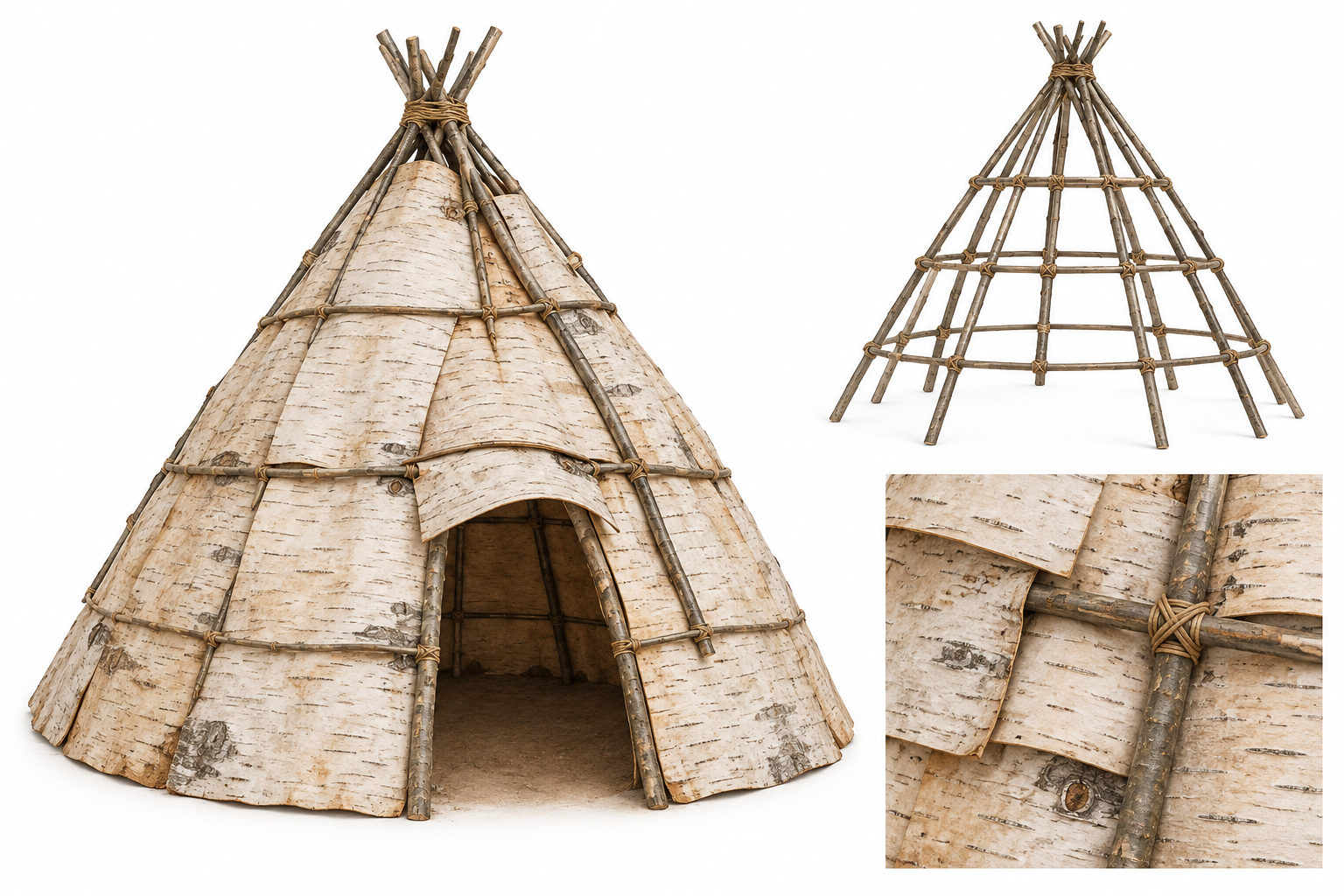
Mi’kmaw wikuom
Bark, poles and overlapping layers
1 resource
Modern treaties & self-government
Agreements are part of the present
1 resource
Métis Nation
Prairie provinces and parts of Ontario, British Columbia, Northwest Territories and the northern United States · A distinct Indigenous people with shared histories, communities and nationhood. Métis does not simply mean anyone with mixed ancestry.
2 related resources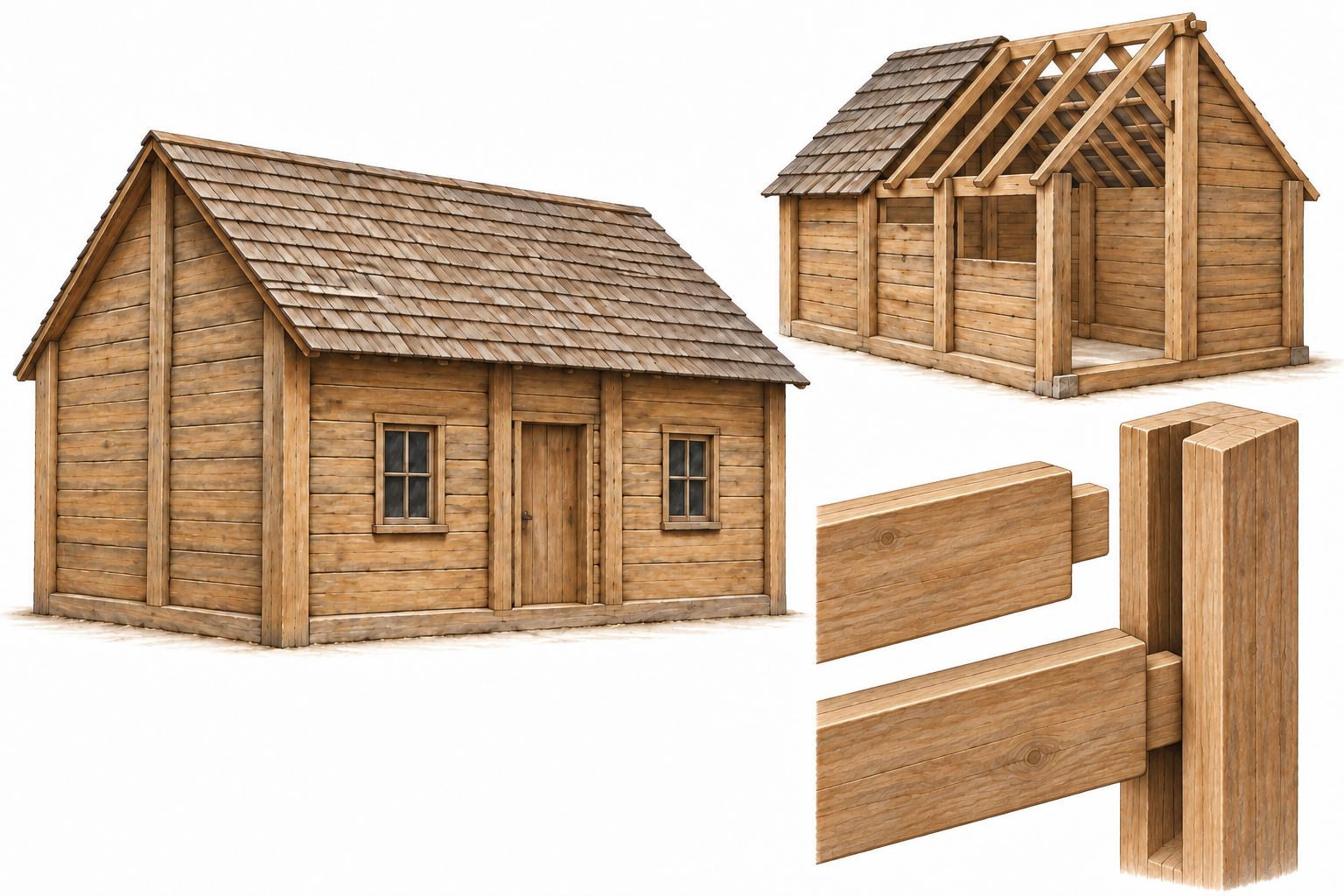
Métis Red River frame house
Upright posts, fitted logs and community life
1 resourceNakoda
Saskatchewan and neighbouring regions · One of the distinct peoples whose languages and cultures are supported by SICC.
1 resourceNaskapi
Northeastern Québec and Labrador peninsula · Kawawachikamach is a Naskapi community near Schefferville.
1 resourceNisga’a
Nass River valley, British Columbia · Nisga’a communities are connected through the Nass River valley.
1 resourceNlaka’pamux
Fraser Canyon and Nicola valley, British Columbia · Nlaka’pamux homelands include river and valley country.
1 resourceNorthern Tutchone
Central Yukon · A distinct people represented in the Yukon’s Indigenous language landscape.
1 resourceNunatsiavut
Northern Labrador coast · The Inuit region in Labrador, with its own Inuit government.
1 resourceNunavik
Northern Québec · An Inuit region in Québec, distinct from Nunavut.
1 resourceNunavut
Central and eastern Canadian Arctic · An Inuit homeland region and a Canadian territory.
1 resourceNuu-chah-nulth
West coast of Vancouver Island · Related coastal Nations work together through the Nuu-chah-nulth Tribal Council.
1 resourceOdawa
Great Lakes region on both sides of the Canada–US border · One of the peoples connected through the Three Fires Confederacy.
1 resourceOjibwe
Great Lakes region on both sides of the Canada–US border · One of the peoples connected through the Three Fires Confederacy.
1 resourceOneida
Members live at Six Nations of the Grand River, Ontario, and elsewhere · A distinct Haudenosaunee Nation. This community location is not its full ancestral homeland.
1 resourceOnondaga
Members live at Six Nations of the Grand River, Ontario, and elsewhere · A distinct Haudenosaunee Nation. This community location is not its full ancestral homeland.
1 resource
Peace and Friendship treaties
Atlantic agreements and enduring responsibilities
1 resourcePiikani
Southern Alberta · A distinct Nation within the Blackfoot Confederacy.
1 resource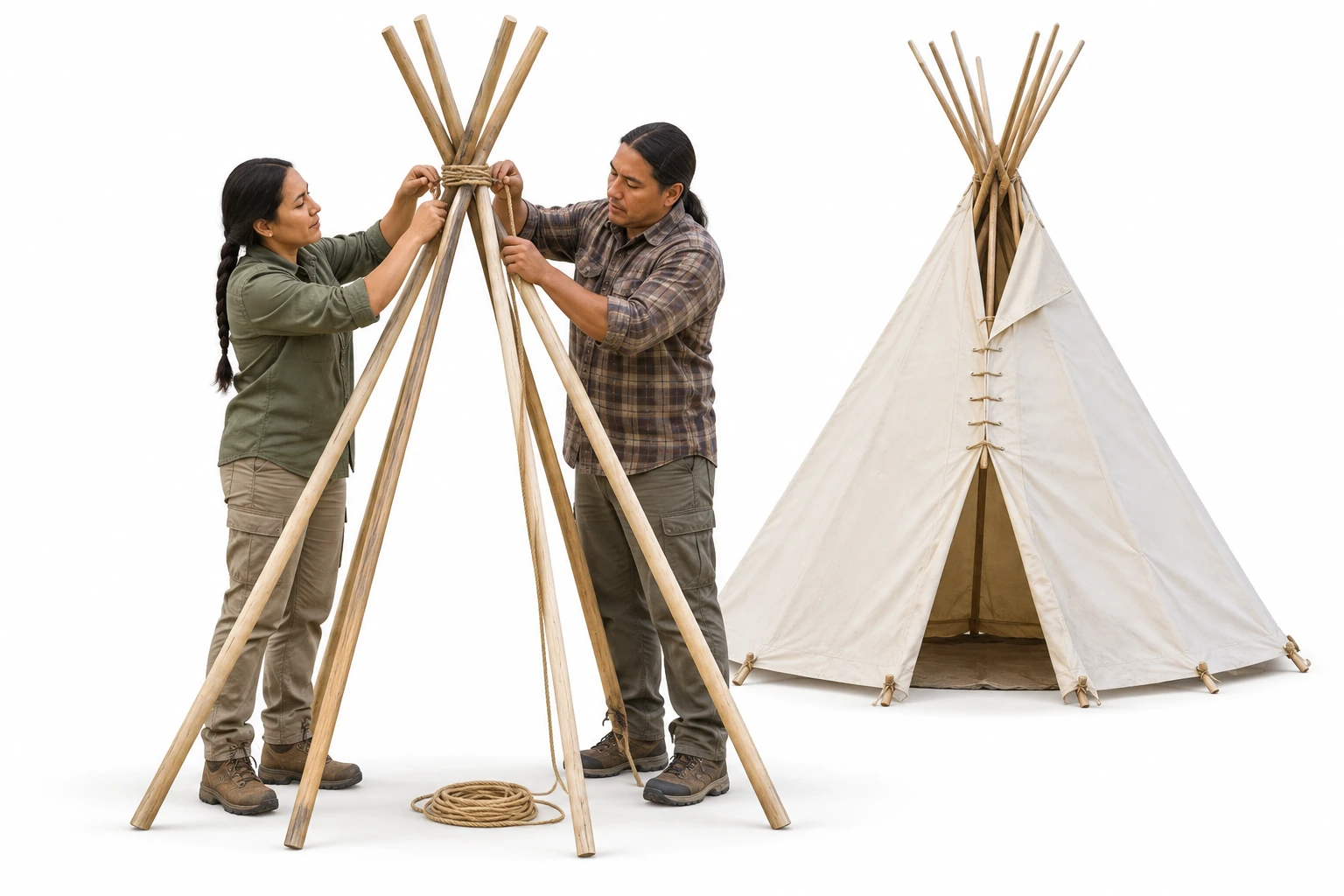
Plains Cree
Saskatchewan and neighbouring regions · One of the distinct peoples whose languages and cultures are supported by SICC.
2 related resources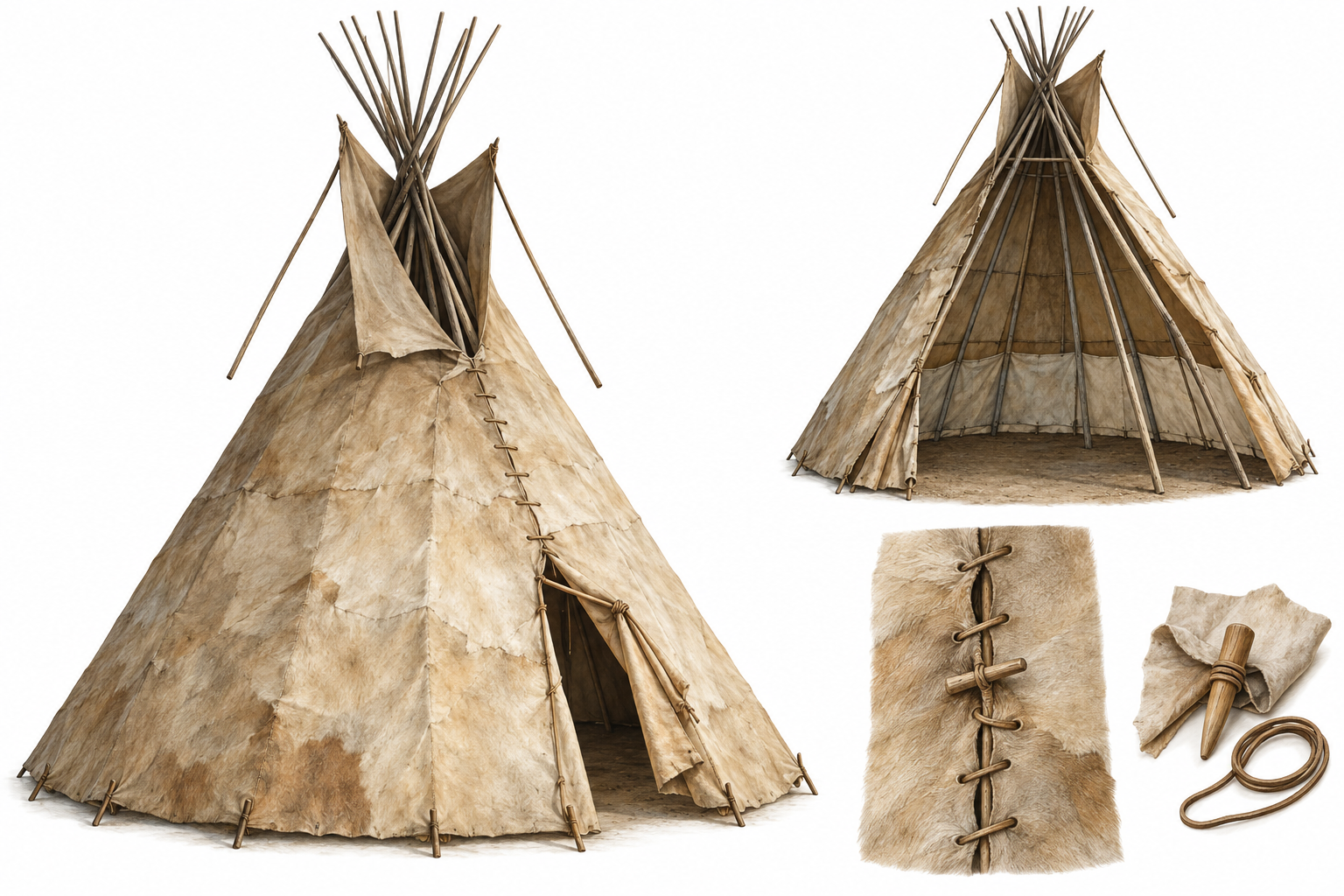
Plains Cree tipi
A portable home, a carefully arranged frame
2 related resourcesPotawatomi
Great Lakes region on both sides of the Canada–US border · One of the peoples connected through the Three Fires Confederacy.
1 resourceRed River Métis
Red River and the wider Métis homeland · The Manitoba Métis Federation represents the Red River Métis, including citizens living beyond Manitoba.
1 resource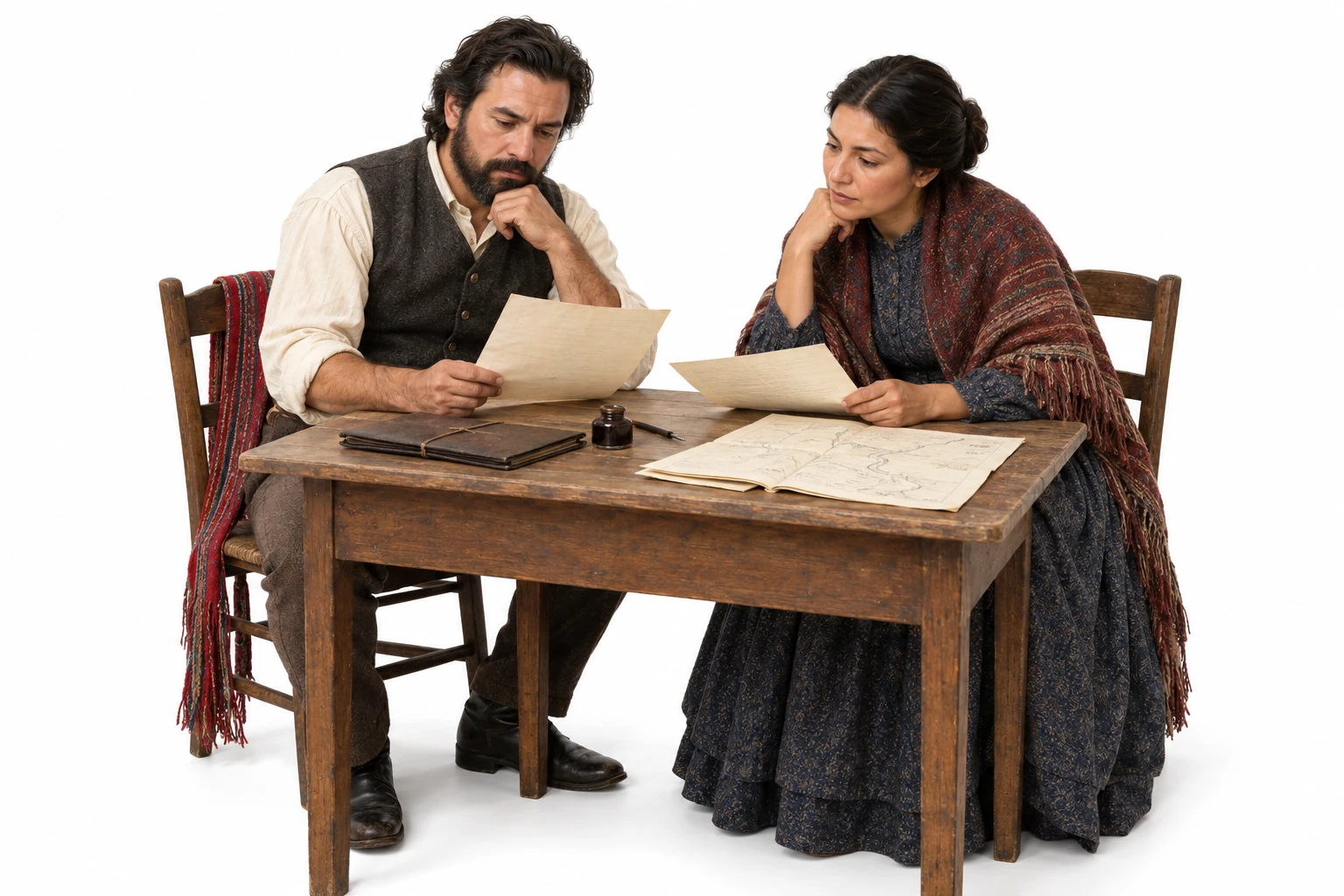
Red River, resistance & scrip
Métis political action and land records
28 related resources
Residential schools & the work of truth
Children, Survivors and continuing responsibilities
11 related resourcesSaulteaux
Saskatchewan and neighbouring regions · One of the distinct peoples whose languages and cultures are supported by SICC.
1 resourceSecwépemc
Interior British Columbia, including the Kamloops area · Secwépemc communities share connections across a large interior homeland.
1 resourceSeneca
Members live at Six Nations of the Grand River, Ontario, and elsewhere · A distinct Haudenosaunee Nation. This community location is not its full ancestral homeland.
1 resourceSiksika
Southern Alberta · A distinct Nation within the Blackfoot Confederacy.
1 resourceSouthern Tutchone
Southwestern Yukon · A distinct people represented in the Yukon’s Indigenous language landscape.
1 resource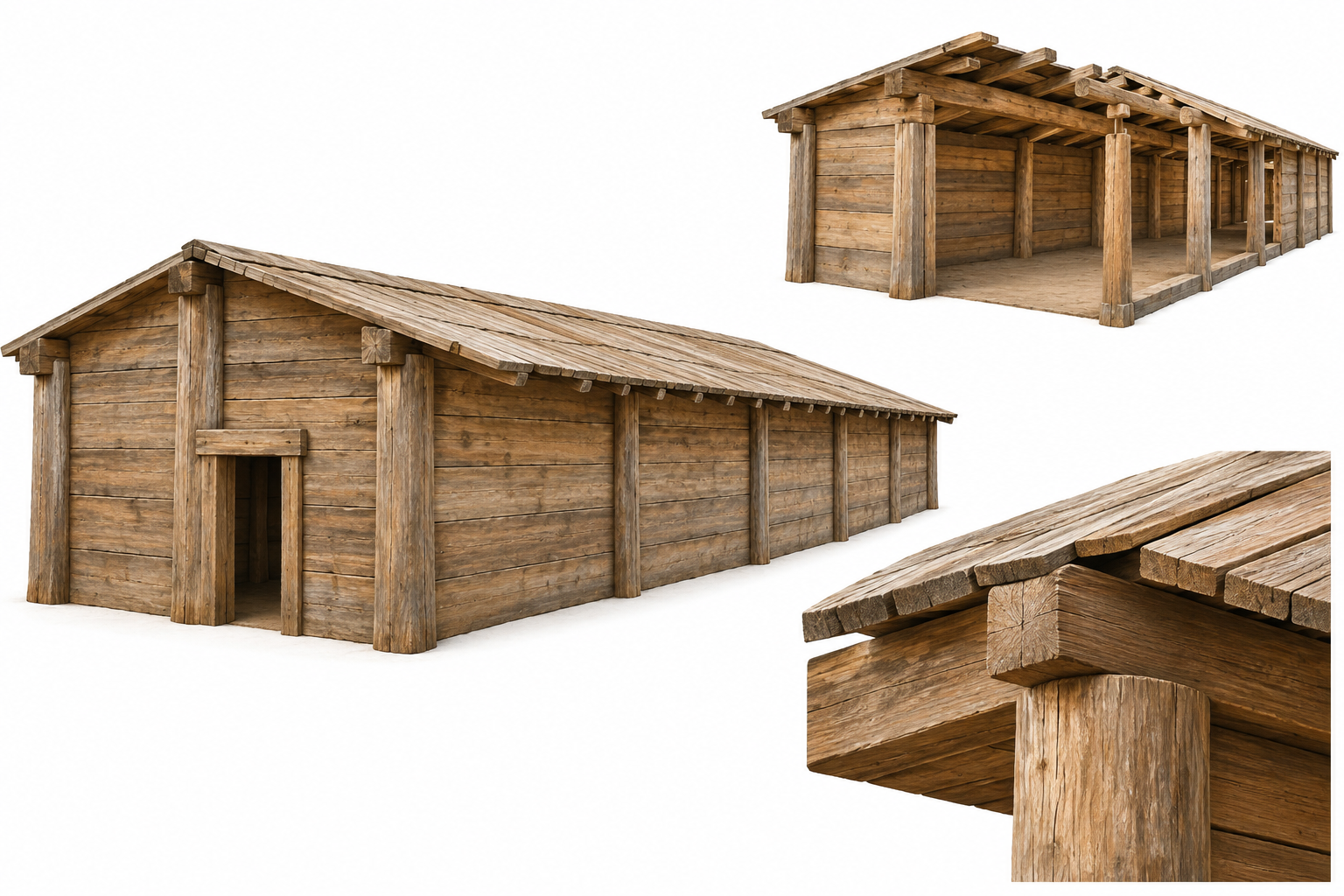
Squamish cedar plank house
A Coast Salish example of shared living space
1 resourceSwampy Cree
Saskatchewan and neighbouring regions · One of the distinct peoples whose languages and cultures are supported by SICC.
1 resourceSyilx / Okanagan
Okanagan country, British Columbia and beyond the US border · Syilx communities have connections across the modern international border.
1 resourceSḵwx̱wú7mesh / Squamish
Southwestern British Columbia · Squamish and Lil’wat are distinct Nations with their own languages and traditions.
1 resourceTagish
Southern Lakes region of Yukon · A distinct people represented in the Yukon’s Indigenous language landscape.
1 resourceTahltan
Stikine River country, British Columbia · Tahltan homelands extend along the Stikine and inland.
1 resourceThe 1969 White Paper
Follow a policy debate about equality, land, treaties, and who gets to make decisions.
2 related resources
The eleven Numbered Treaties
Related agreements with important differences
1 resourceThe Indian Act
Understand the difference between a federal law, First Nations identity, and treaty rights through six short chapters.
4 related resourcesThe Red Paper
Explore the 1970 response to the White Paper and the continuing question of who decides a community's future.
2 related resources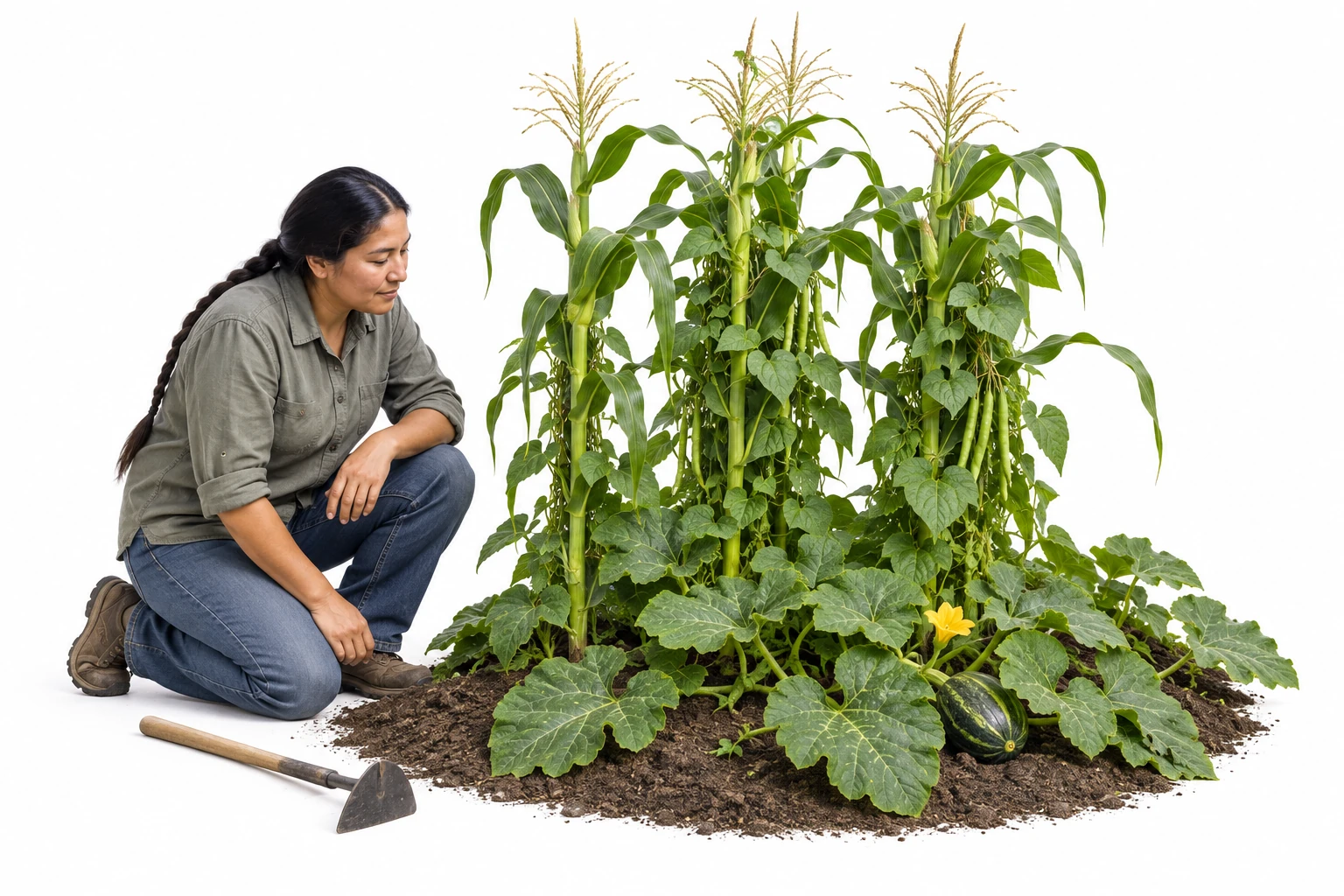
The Three Sisters
Haudenosaunee agriculture and food knowledge
1 resourceTlingit
Southern Yukon, northern British Columbia and Alaska · A distinct people represented in the Yukon’s Indigenous language landscape.
1 resource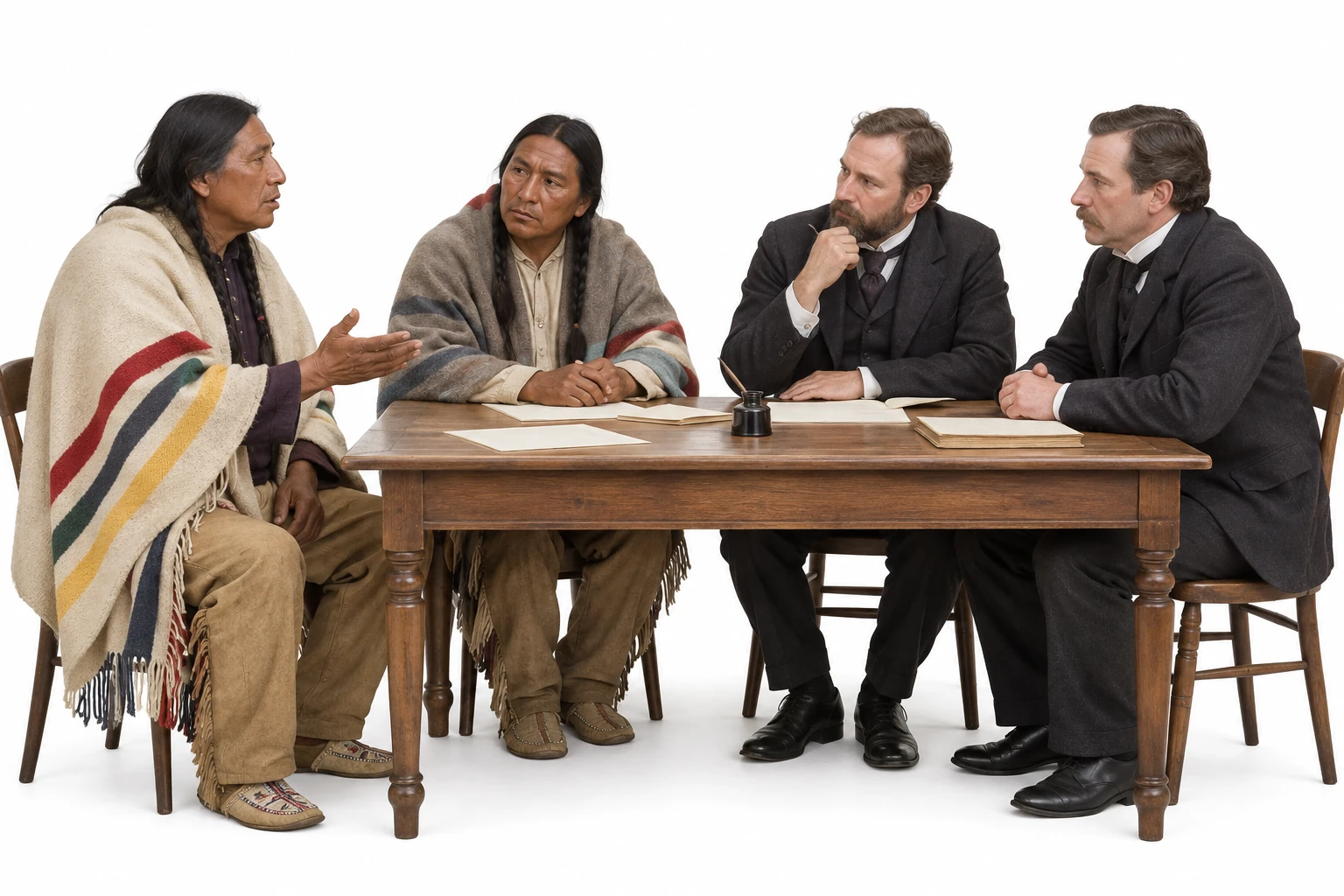
Treaty 6
A living relationship, with local histories
26 related resources Treaty relationships
Explore Treaty as an ongoing relationship, compare written and First Nations accounts, and begin with the place where you live.
30 related resourcesTse’khene
Northern interior of British Columbia · Tse’khene homelands include northern interior mountain and lake country.
1 resourceTsimshian
Skeena River and northern Pacific coast · Coast Tsimshian territories include the lower Skeena and its delta.
1 resourceTuscarora
Members live at Six Nations of the Grand River, Ontario, and elsewhere · A distinct Haudenosaunee Nation. This community location is not its full ancestral homeland.
1 resource
Tłı̨chǫ
Northwest Territories · Tłı̨chǫ communities include Behchokǫ̀, Whatì, Gamètì and Wekweètì.
2 related resourcesTŝilhqot’in
Chilcotin watershed, British Columbia · The Chilcotin, Chilko and Taseko rivers are important within Tŝilhqot’in territory.
1 resourceUpper Tanana
Western Yukon and neighbouring Alaska · A distinct people represented in the Yukon’s Indigenous language landscape.
1 resource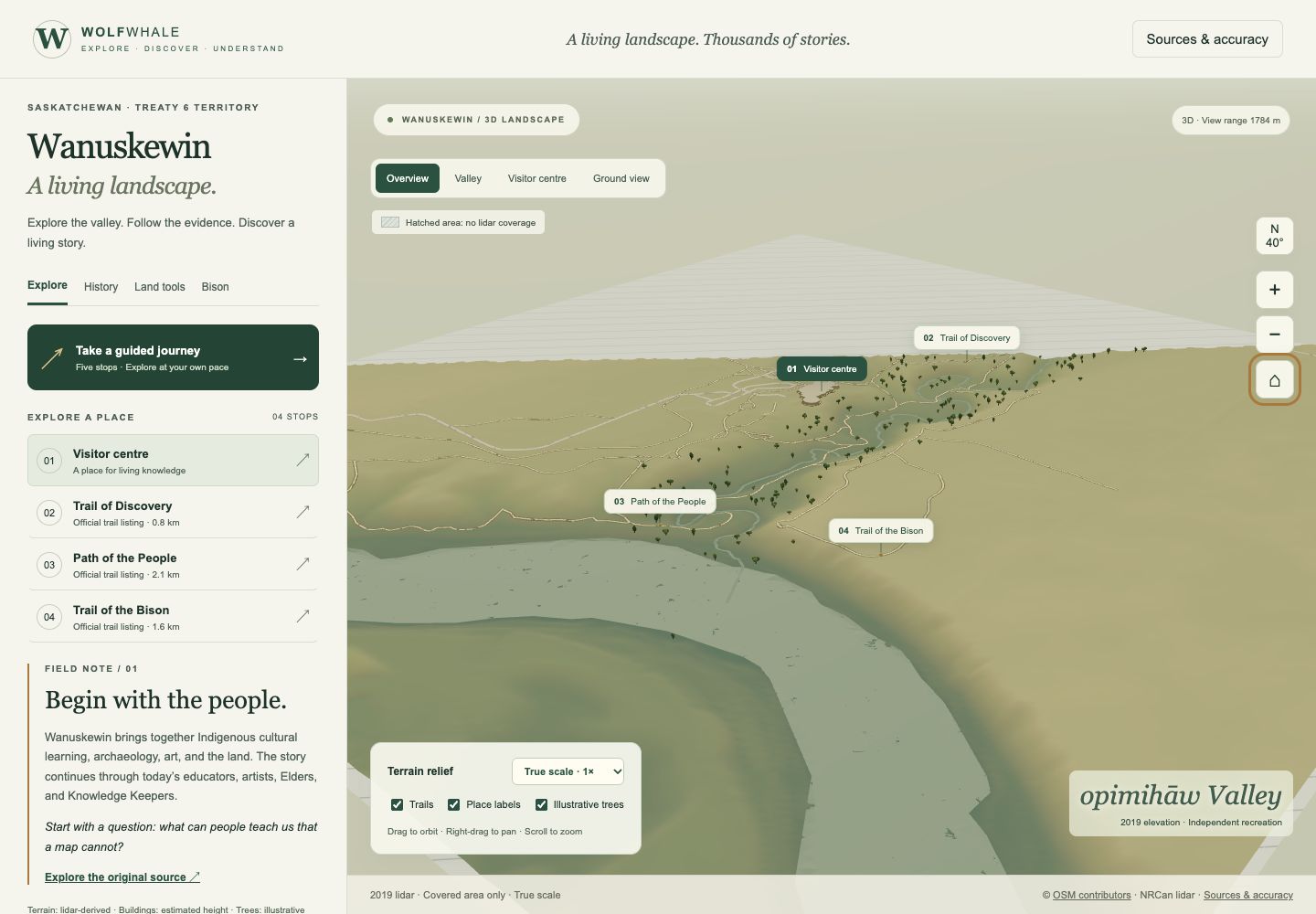
Wanuskewin: Read the landscape
Prepare with a classroom activity, explore a source-derived landscape, and follow mapped paths through a clearly labelled interpretation of about 2,000 years ago.
1 resource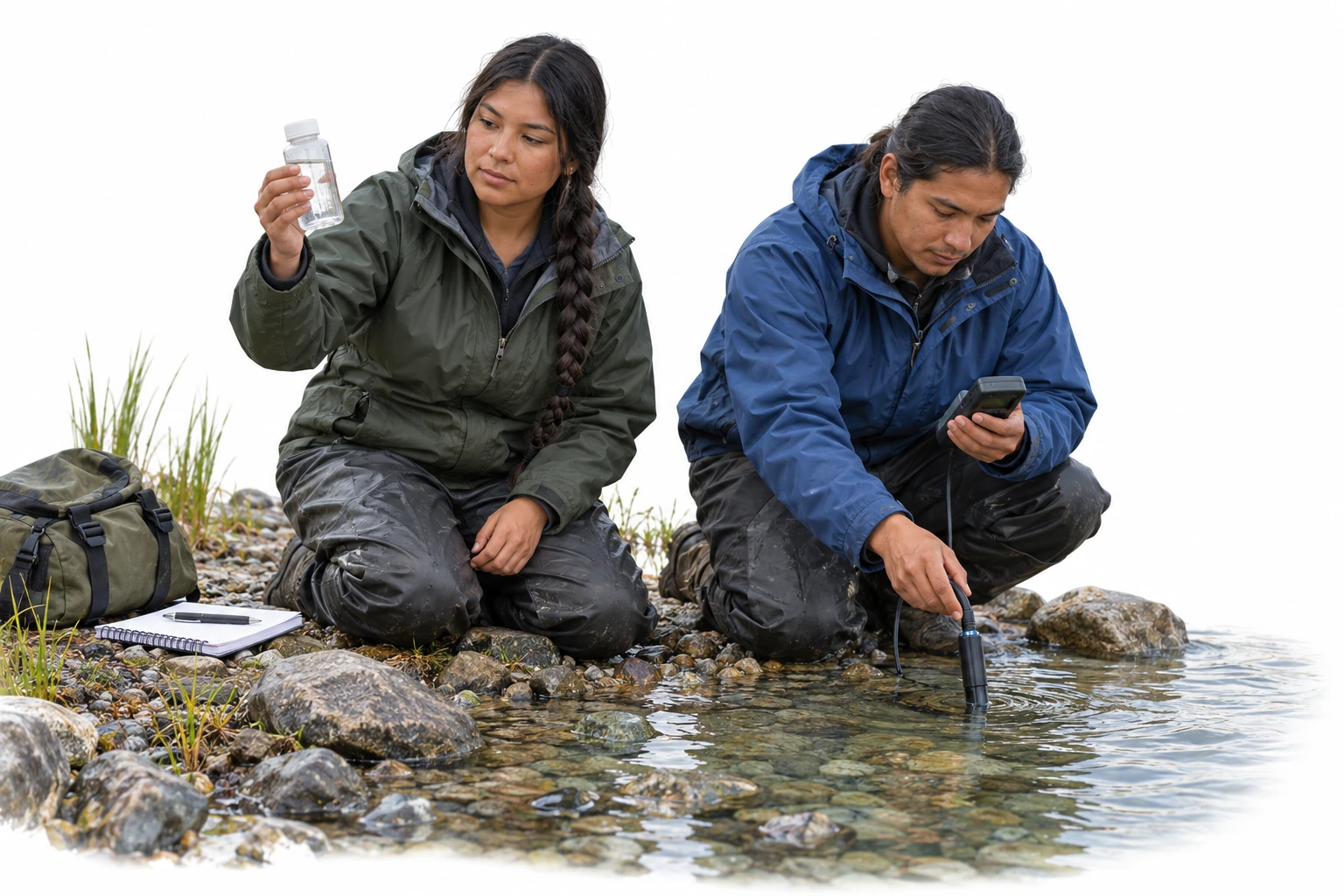
Water, responsibility & governance
A Treaty #3 example of knowledge in action
1 resourceWendat
Wendake, Québec; historic connections to the Great Lakes · The Wendat Nation has deep historical connections beyond its present community.
1 resourceWet’suwet’en
North-central British Columbia · Wet’suwet’en are a distinct people of the northern interior.
1 resource
Wolastoqiyik
Wolastoq / Saint John River watershed and neighbouring lands · Wolastoqiyik identity is deeply connected to the Wolastoq river.
2 related resources
Woodland Cree
Saskatchewan and neighbouring regions · One of the distinct peoples whose languages and cultures are supported by SICC.
9 related resources
W̱SÁNEĆ & the Douglas treaties
Oral history changes how an agreement is read
1 resource
Yukon First Nations
Many peoples, a shared negotiation history
1 resourceFor teachers
Review sources, local context and suggested curriculum connections before teaching.